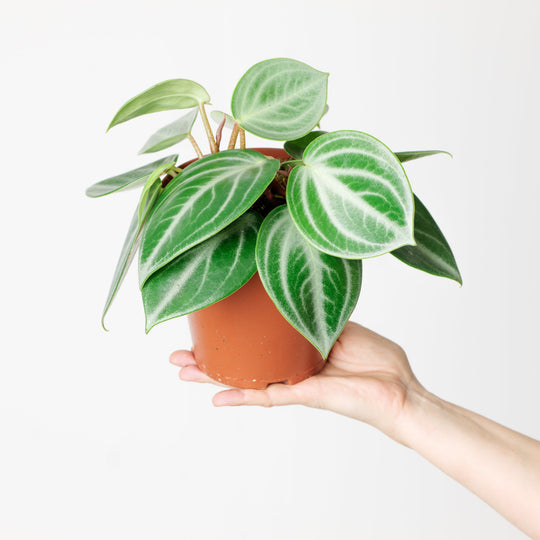
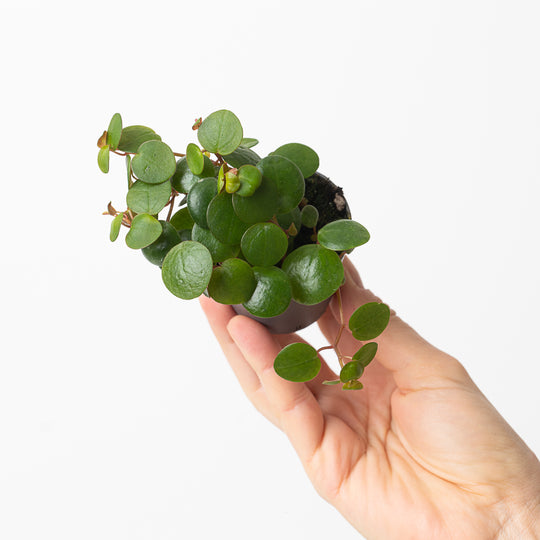
Radiator Plant
Peperomia Care Guide

Peperomia is one of the most versatile and rewarding houseplant genera, loved for its compact growth, sculptural leaves, and forgiving nature. This guide covers everything you need to know to grow healthy, long-lasting Peperomia plants at home.
Native Habitat & Origins of Peperomia
Peperomia belongs to the Piperaceae family, alongside black pepper (Piper nigrum). The genus includes over 1,500 species, most of which are native to Central and South America, the Caribbean and Parts of Africa
In the wild, Peperomia typically grows as an epiphyte on trees, on mossy rocks and along forest floors in warm, shaded environments. These habitats provide bright, filtered light, good air circulation, high humidity, and fast-draining organic material, explaining why Peperomia performs best in airy soil mixes and stable indoor conditions.
💡 Did You Know?
Peperomia plants are pet-friendly, making them a safe choice for homes with cats and dogs. Their thick leaves also help them tolerate occasional missed waterings better than many tropical houseplants.
What Lighting Do Peperomia Need?
Peperomia thrives in bright, indirect light, closely reflecting the filtered conditions of tropical forest canopies where many species grow as epiphytes. While adaptable, the quality of light has a direct impact on leaf colour, compactness, and overall plant health.
Ideal lighting conditions:
-
East- or north-facing windows with gentle morning light
-
Bright rooms set back from south- or west-facing windows
-
Shelves or desks in well-lit spaces
-
Soft, consistent grow lights (especially useful in winter)
Lighting to avoid:
-
Direct sunlight, which can scorch leaves or cause colours to fade
-
Prolonged low-light conditions, leading to leggy growth, slow development, and leaf drop
Variegated Peperomia varieties require brighter light to maintain their patterns, while solid green types are more tolerant of medium light. Rotate plants occasionally to encourage even growth.
How Often Should I Water My Peperomia?
Peperomia prefers a moderate, considered watering routine and is far more tolerant of slight dryness than excess moisture. Its thickened leaves store water, making overwatering the most common cause of problems.
Here’s our top tips:
-
Allow the top half of the potting mix to dry before watering again
-
Water thoroughly until excess drains from the pot
-
Always empty the saucer to prevent standing water
-
Reduce watering frequency during winter months
Soft leaves, yellowing, or stem collapse usually indicate overwatering, while slight leaf drooping or wrinkling can suggest the plant is ready for a drink. When in doubt, wait a little longer before watering.
When Should I Repot My Peperomia?
When happy, Peperomia can be fast-growing houseplants, but don’t worry! They prefer to remain slightly root-bound. Repotting too often or into overly large containers can increase the risk of root rot.
Repot only when:
-
Roots are visible through the drainage holes
-
Growth has noticeably slowed despite good care
-
The potting mix has compacted or is retaining too much moisture
Spring is the ideal time to repot, allowing the plant to recover during its active growth period. Always increase pot size gradually, usually just one size up.
What Potting Mix is best for Peperomia?

Peperomia requires a light, fast-draining potting mix that mimics the airy conditions of its natural epiphytic environment. Heavy, water-retentive compost is the leading cause of root problems.
For an easy, ready-made option, GrowTropicals Simply Houseplant Potting Mix is perfectly suited to Peperomia. Its balanced structure, added aeration, and excellent drainage help prevent waterlogging while supporting healthy root development.
Always use pots with drainage holes to minimise the risk of root rot.
Do I Need to Feed My Peperomia?
Peperomia benefits from light, occasional feeding during the growing season but does not require heavy fertilisation.
Our feeding tips:
-
Use a balanced liquid fertiliser at ¼–½ strength
-
Feed every 4–6 weeks in spring and summer
-
Avoid feeding during winter when growth slows
Overfeeding can lead to weak, leggy growth and leaf damage, so a gentle approach will keep your Peperomia compact and healthy.
Common Issues When Growing Peperomia Houseplants
Yellowing leaves
Yellowing leaves are most often a symptom of overwatering or poor drainage. Peperomia’s semi-succulent leaves store moisture, so constantly damp soil quickly stresses the roots and reduces oxygen uptake. If the potting mix stays wet for long periods, roots can begin to suffocate, leading to yellowing and eventual leaf loss. Ensure the plant is in a free-draining mix, reduce watering frequency, and always empty excess water from the saucer.
Soft or mushy stems
Soft, translucent, or collapsing stems are a clear sign of advanced root rot. This usually occurs when Peperomia is planted in heavy compost, kept in an oversized pot, or watered too frequently. At this stage, action should be taken quickly: remove the plant from its pot, trim away affected roots, and repot into fresh, airy soil in a container with proper drainage. Prevention is far easier than recovery, making soil choice and watering habits essential.
Wrinkled or drooping leaves
Wrinkled, limp, or slightly curled leaves typically indicate underwatering or excessively dry air. While Peperomia tolerates some dryness, prolonged lack of moisture causes the plant to draw water from its leaves, leading to a deflated appearance. Water thoroughly when needed and assess humidity levels, especially during winter when indoor heating can dry the air.
Leaf drop
Sudden leaf drop is usually linked to environmental stress rather than disease. Common triggers include cold drafts, sharp temperature changes, moving the plant frequently, or insufficient light. Peperomia prefers warmth and consistency, so relocating it to a brighter, draft-free area and avoiding frequent position changes will help stabilise growth.
Overall, Peperomia thrives when conditions are stable and predictable. Gradual changes in light, watering, and temperature allow the plant to adapt, while sudden shifts often result in visible stress responses.
Trending Peperomia at GrowTropicals
Peperomia remains a favourite at GrowTropicals thanks to its collectable nature, pet-friendly reputation, and low-maintenance care.
Currently trending varieties include:

Peperomia Prostrata AKA String of Turtles from £4.99

Peperomia tetraphylla 'Hope' from £15.99

Peperomia metallica 'Creme Brulee' from £24.99
Need More Help with Your Peperomia & Houseplants?
Peperomia is an excellent choice for confident beginners and collectors alike, but every home is different. If you need tailored advice on lighting, watering, or choosing the right variety, the GrowTropicals team and care resources are here to help you grow successfully.