Trailing Plants


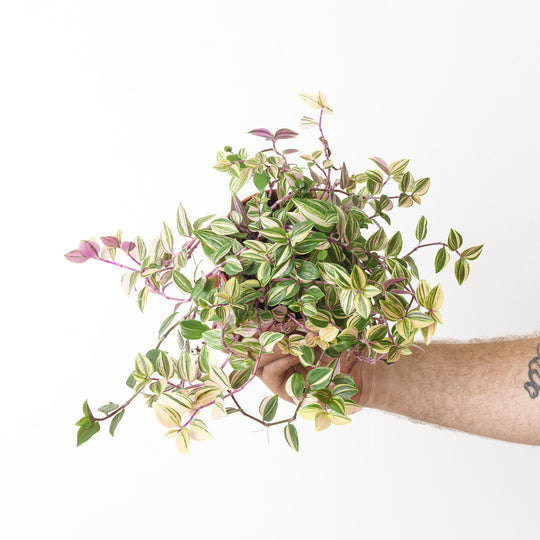
Trailing plants transform a room. A cascade of Pothos from a high shelf, a curtain of String of Hearts from a hanging planter, or a curtain of Tradescantia over a bookcase turns an empty corner into a lush, living display. Our trailing plant collection covers the full range of trailing and hanging houseplants we grow at Grow Tropicals, from fast-growing classics like Scindapsus and Heartleaf Philodendron to more delicate specimens like String of Pearls and Rhipsalis. All are nursery-grown by our specialist team.

Trailing plants are as practical as they are beautiful, working in spaces where upright plants cannot go: suspended from the ceiling, draped over shelving, or hanging in bathrooms and kitchens. All come with full care guidance and are dispatched with our 7-day live arrival guarantee.

318 products

    318 products
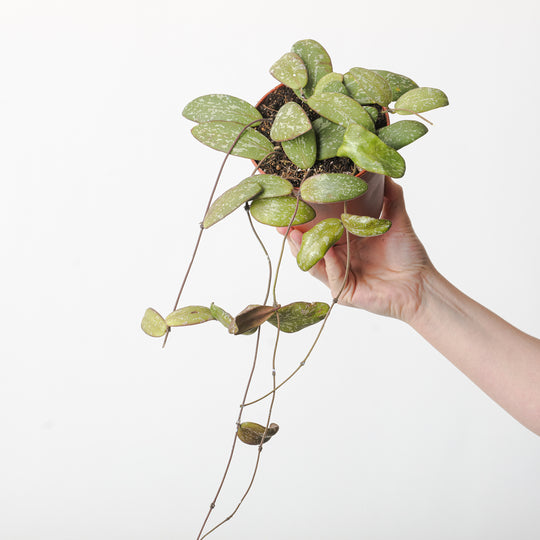
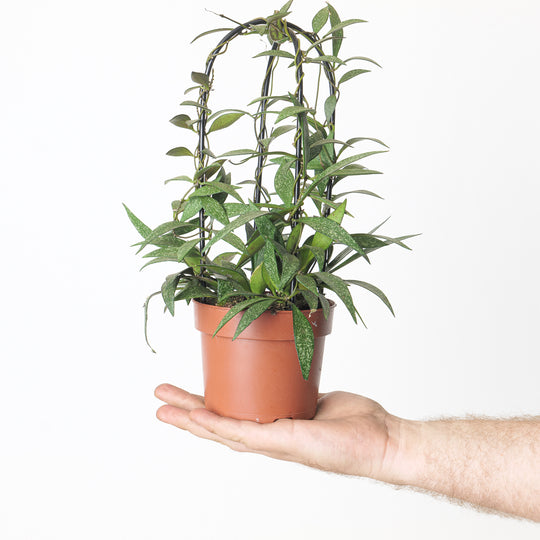
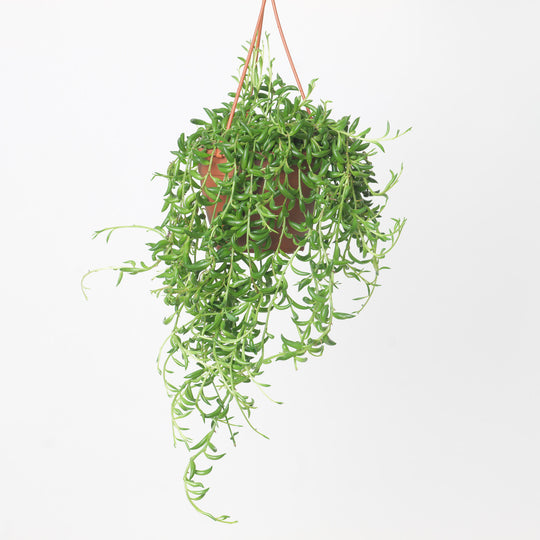
    Ceropegia woodii 'Silver Glory' 10cm Plants GrowTropicals
    Silver String of Hearts

    Ceropegia woodii 'Silver Glory'

    £18.99
    1
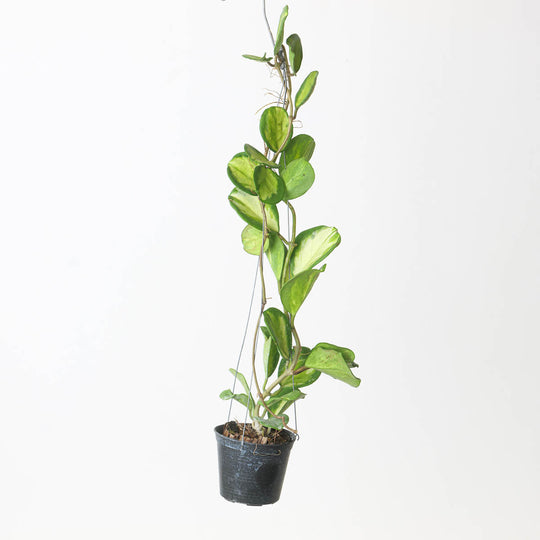
    Hoya 'Sarawak Cream' 10.5cm Plants GrowTropicals
    Wax Plant

    Hoya 'Sarawak Cream'

    £18.99
    1
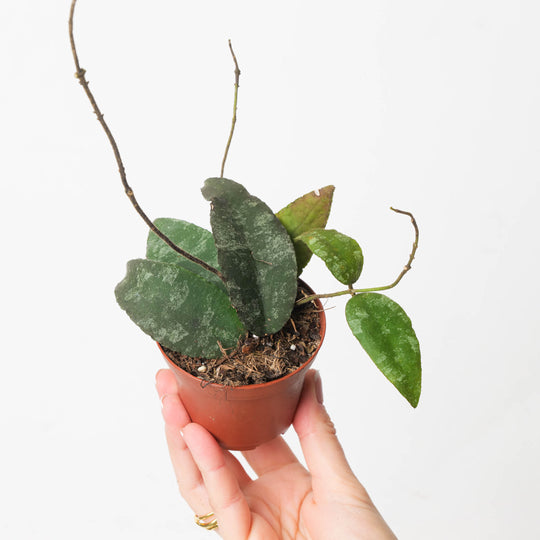
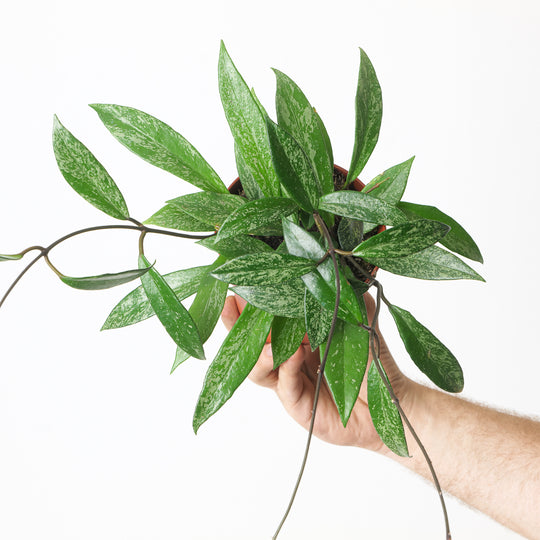
    Hoya verticillata (wibergiae) IML 1618 6cm Plants GrowTropicals
    1
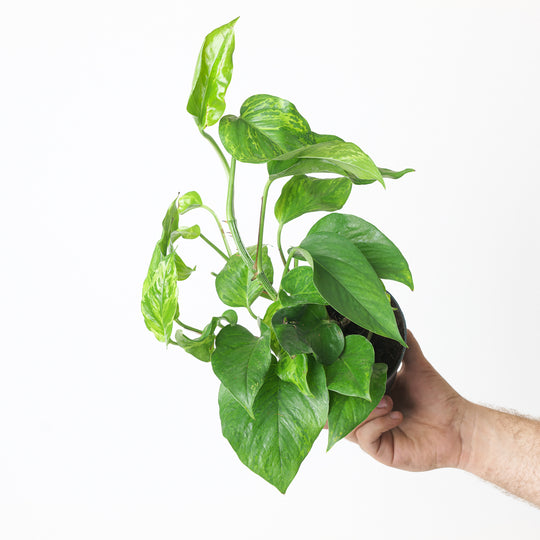
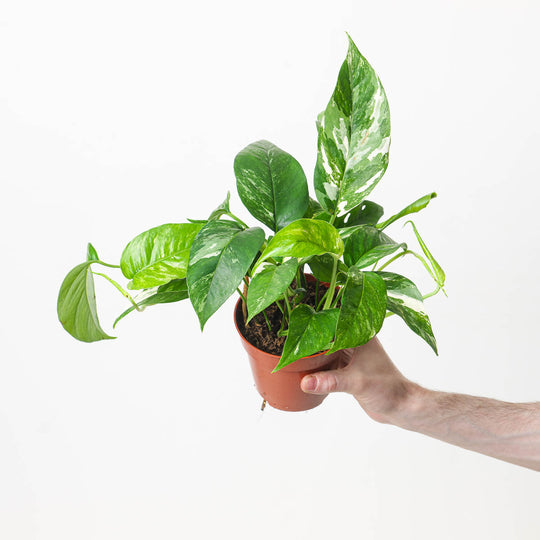
    Epipremnum Rubicon Variegated Plants GrowTropicalsSale
    1
    Hoya imbricata 12cm Plants GrowTropicals

    Hoya imbricata

    £19.99
    1
    Hoya Publicalyx ‘Black Dragon’ 10.5cm Plants GrowTropicals
    1
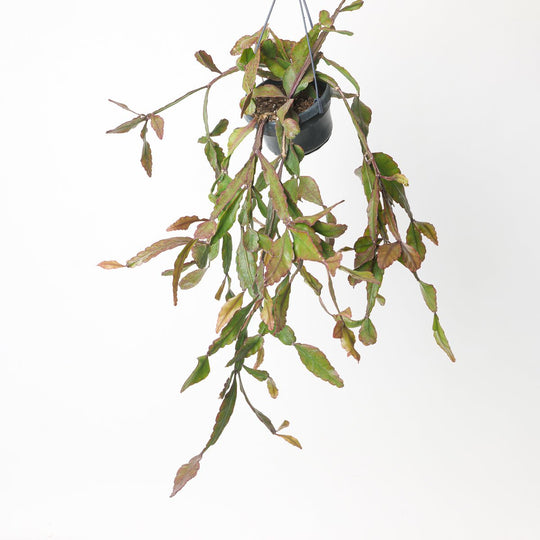
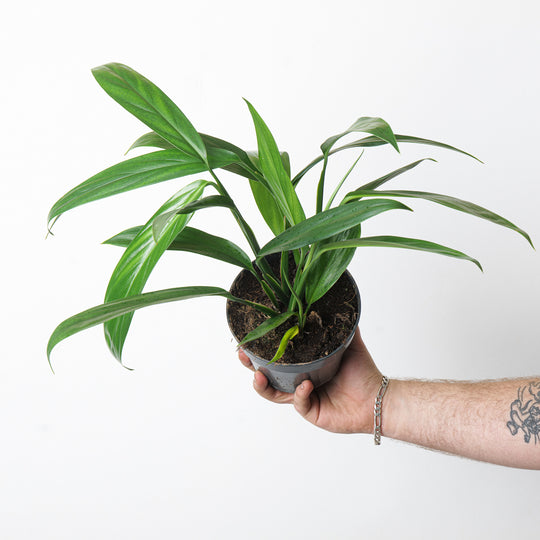
    Hoya sp Aceh 'Long Leaf' Plants GrowTropicalsSale
    Wax Plant

    Hoya sp Aceh 'Long Leaf'

    £16.99 £19.99
    1
    Dischidia pectenoides 14cm Plants GrowTropicals
    1

    Trailing Plants | Hanging Houseplants

    Why Trailing Plants Work So Well Indoors

    Trailing plants exploit vertical space that upright plants cannot use, filling rooms with greenery at multiple levels and creating a layered, lush effect. A single trailing Pothos on a high shelf can develop stems several metres long over a season, filling an entire wall with cascading foliage. Unlike large floor plants, trailing plants work in tight spaces and add drama to shelves, windowsills, and bare walls.

    Easiest Trailing Plants to Grow

    Pothos (Epipremnum aureum) is the most forgiving trailing houseplant and one of the most popular in the world. It tolerates low light, irregular watering, and a wide range of temperatures. Heartleaf Philodendron (Philodendron hederaceum) is equally easy and produces lush, heart-shaped leaves on fast-growing stems. Tradescantia is vigorous and colourful, with vivid purple and green foliage that grows quickly even in average conditions.

    Dramatic Trailing Plants for Experienced Growers

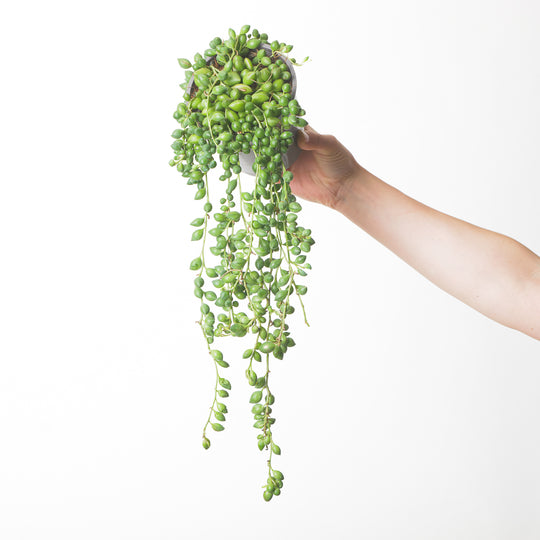
    String of Hearts (Ceropegia woodii) produces delicate, heart-shaped leaves on thread-fine stems and is one of the most romantic-looking trailing plants available. String of Pearls (Senecio rowleyanus) has distinctive spherical leaves along thin, thread-like stems. Both are slower-growing and need careful watering, making them better suited to growers with some experience. Rhipsalis, the rainforest cactus, trails beautifully and is more forgiving than other trailing succulents.

    How to Display Trailing Plants

    Hanging planters suspended from ceiling hooks give trailing stems maximum length to develop. High shelves work well for plants with naturally cascading growth. Wall-mounted planters and plant shelving systems allow multiple trailing plants to be displayed at different heights. For bathrooms and kitchens, suction-cup shelves on tiles create an attractive display in spaces where floor space is limited.

    Training Versus Trailing

    Many plants labelled as trailing can also be trained to climb upward on a moss pole or trellis, and vice versa. Pothos, Philodendron, and Scindapsus all produce larger, more mature leaves when given a climbing support compared to trailing freely. If you want impressive foliage, consider giving your trailing plant a moss pole and training it upward rather than downward.

    Care for Trailing Plants

    Most trailing houseplants prefer bright, indirect light for the fastest growth, though many tolerate lower light. Water when the compost has partially dried, and feed monthly during spring and summer. Pinch out the growing tips occasionally to encourage bushy, branching growth rather than a single long stem. Remove any yellowing or dead leaves to keep the display looking its best.

    Frequently Asked Questions

    Pothos (Epipremnum aureum), Heartleaf Philodendron, Tradescantia, Scindapsus, String of Hearts (Ceropegia woodii), and String of Pearls are all excellent trailing houseplants. Pothos and Philodendron are the easiest; String of Hearts and Pearls are more delicate and better for experienced growers.

    Position in bright, indirect light (the single biggest factor for growth speed), feed monthly during spring and summer with a balanced liquid fertiliser, and water consistently without overwatering. Pinching out growing tips encourages the plant to branch, producing a fuller, denser display rather than a single long stem.

    Some trailing plants cope well with lower light, particularly Pothos and Heartleaf Philodendron. In low light, growth slows and variegated varieties may lose some colour contrast. String of Hearts and String of Pearls need brighter conditions and will not do well in genuinely dim rooms.
    Hanging planters suspended from ceiling hooks or curtain rods, wall-mounted brackets, and macrame hangers are all effective ways to display trailing plants without shelves. Suction-cup wall planters work on tiled surfaces in bathrooms and kitchens. Large, floor-standing plant stands with elevated arms also allow trailing stems to cascade freely.

    Both options work, but climbing produces larger, more mature leaves in many species. Pothos, Philodendron, and Scindapsus all develop significantly larger fenestrated or textured leaves when given a moss pole to climb rather than trailing freely downward. If dramatic foliage is the goal, training upward on a moss pole is often more rewarding.

    Progressively smaller leaves on trailing plants usually indicate insufficient light or nutrient deficiency. Move to a brighter position and resume monthly feeding if you have stopped. Stems that have trailed for a long time without being pruned can also develop smaller leaves at the tips as the plant prioritises stem length over leaf size. Pruning back to a healthy section encourages fresh, larger-leafed growth.