Low Light Houseplants


Not every room has access to bright, sunny windows, but that does not mean you cannot fill it with beautiful plants. Our low-light houseplant collection brings together the toughest, most resilient shade-tolerant species we grow: plants that genuinely thrive away from the window, in north-facing rooms, hallways, and corners that most houseplants would struggle in. At Grow Tropicals, every plant in this collection has been selected because it is genuinely well-adapted to low-light conditions, not just tolerant of them.

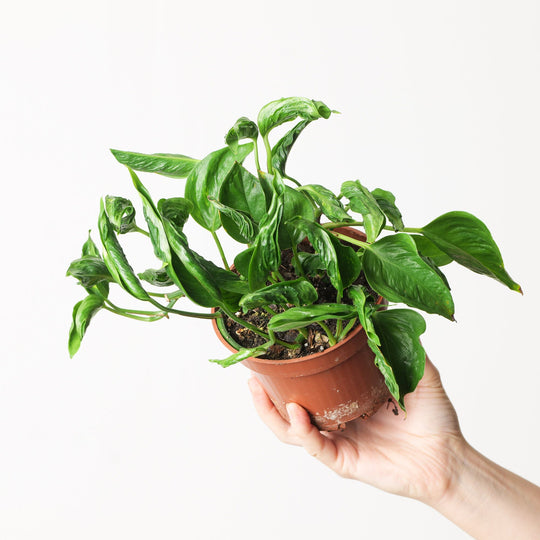
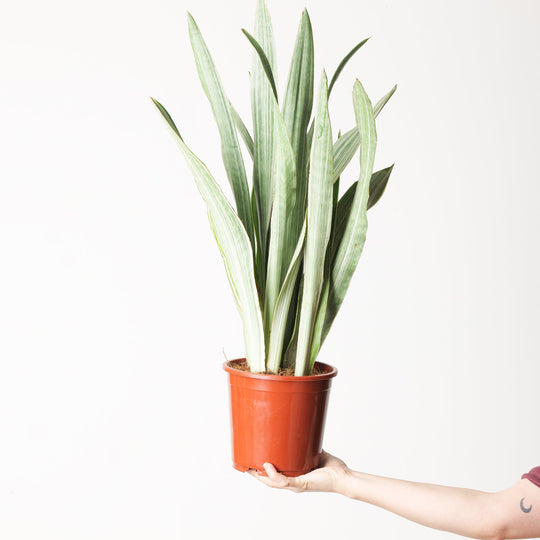
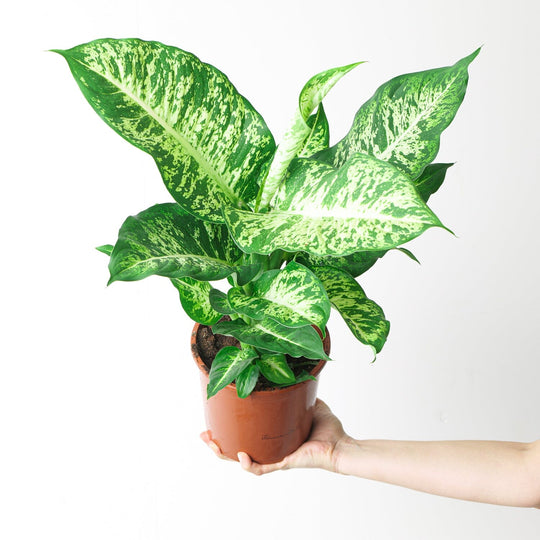
From the near-indestructible ZZ Plant and architectural Snake Plant to the lush Aglaonema and trailing Pothos, you will find proven performers for every style of interior. All are nursery-grown and dispatched with full care guidance.

556 products

    556 products
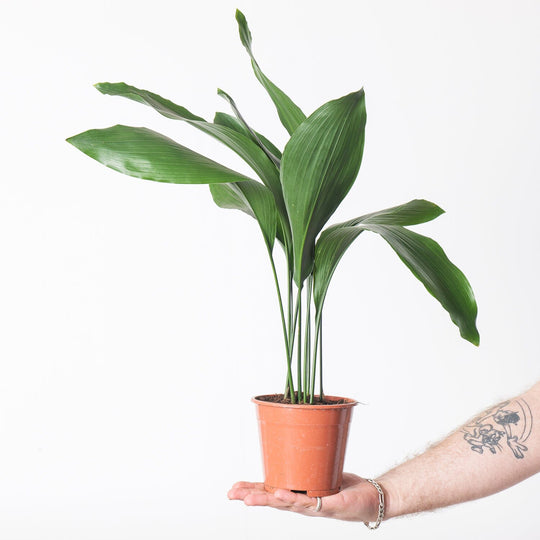
    Aspidistra elatior 14cm Plants GrowTropicals
    Cast Iron Plant

    Aspidistra elatior

    £33.99 £34.99

    Low Light Houseplants | Shade Plants

    Understanding Low Light

    Low light in a home context means a room or position where there is little or no direct sunlight, and where natural light levels are consistently dim. This includes north-facing rooms, spaces set well back from windows, hallways, and areas shaded by buildings or trees. It does not mean complete darkness: most plants sold as low-light species still need some natural light to survive, even if it is indirect and relatively dim.

    The Best Low Light Houseplants

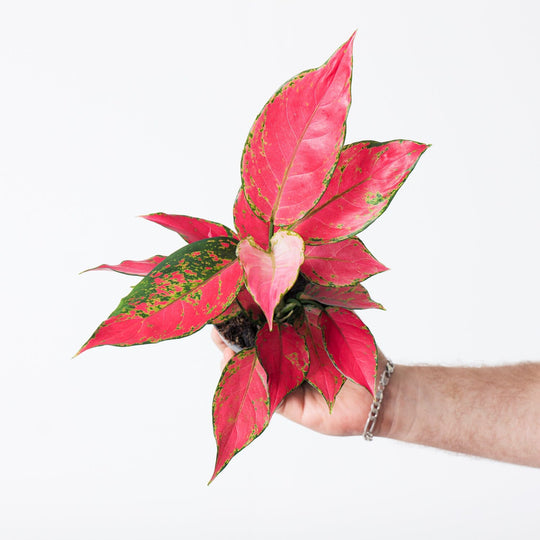
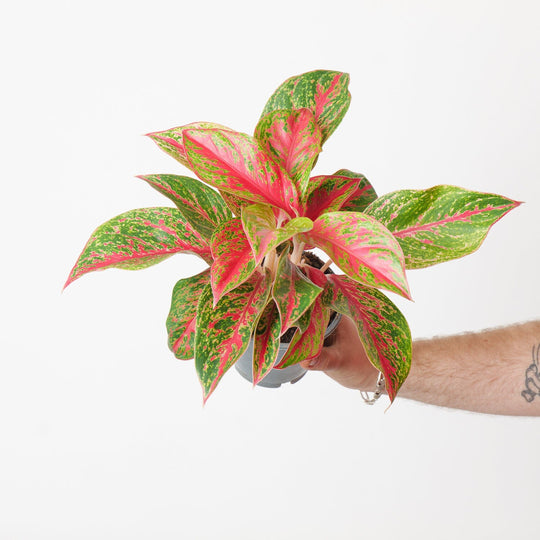
    Several houseplant species have genuinely evolved for low-light environments, typically because they originate on the forest floor where bright sunlight rarely penetrates the canopy. ZZ Plants (Zamioculcas zamiifolia) are among the most shade-tolerant houseplants available, surviving in very dim conditions through water-storing rhizomes. Snake Plants (Dracaena trifasciata), Aglaonema, Aspidistra, and Peace Lily (Spathiphyllum) are all reliable low-light performers.

    Low Light and Variegation

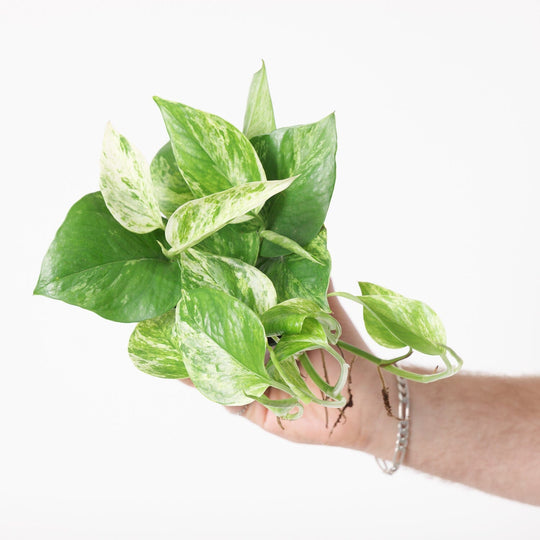
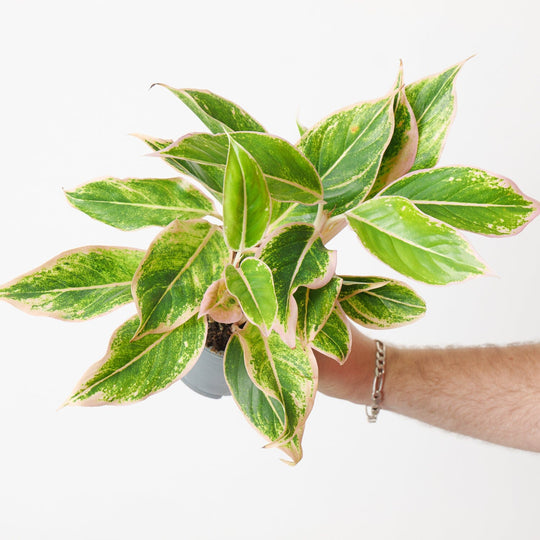
    One important caveat with low-light growing: variegated plants, those with cream, white, or yellow sections in their leaves, generally need more light than all-green varieties. The variegated areas contain less chlorophyll and are less efficient at photosynthesis, so in low light the plant often pushes out increasingly green leaves to compensate. For low-light rooms, stick to all-green varieties for the most reliable results.

    Improving Low Light Conditions

    If your low-light room needs a wider range of plants than shade-tolerant species provide, supplementary grow lighting can make a significant difference. A full-spectrum LED grow light positioned 30-60 cm above the plants for 10-12 hours per day can effectively turn a dim room into a bright-light environment for houseplants. This opens up many more plant choices while keeping the room's natural ambiance.

    Care Tips for Low Light Plants

    Plants in low-light positions grow more slowly than those in bright conditions. This means they use less water and nutrients, so reduce watering frequency and feed less often than you would for the same plant in a brighter spot. Overwatering is the most common cause of failure with low-light plants, so always check the compost before watering rather than sticking to a schedule.

    What Low Light Plants Cannot Do

    Very few flowering plants do well in genuinely low-light conditions, with Peace Lily being the notable exception. Most flowering houseplants need bright light to produce blooms. Similarly, most succulents and cacti are not suitable for low-light rooms, with Haworthia being the rare exception. If you want plants that flower in a dim room, Peace Lily is your most reliable option.

    Frequently Asked Questions

    ZZ Plants, Snake Plants (Dracaena trifasciata), Aglaonema, Aspidistra, Peace Lily, Pothos, and Heartleaf Philodendron are all reliable performers in dark or low-light rooms. These species have evolved in naturally shaded environments and genuinely cope with minimal natural light.

    Most houseplants cannot survive indefinitely with absolutely no natural light. However, a full-spectrum LED grow light running for 10-12 hours per day can substitute effectively for natural light. ZZ Plants and Pothos are among the most tolerant of very low natural light, but even these will eventually decline without some illumination.

    Yes. Plants in low light grow more slowly and use less water than the same species in a bright position. Reduce watering frequency accordingly and always check that the compost has dried to the appropriate depth before watering again. Overwatering is the most common cause of failure with low-light plants.
    Yes, with the right plant selection. North-facing rooms in the UK receive no direct sun but do provide diffuse, indirect light throughout the day. ZZ Plants, Snake Plants, Aglaonema, Peace Lily, Aspidistra, and Pothos all perform well in north-facing rooms. Avoid succulents, cacti, variegated plants, and most flowering houseplants in these conditions.
    Absolutely. A full-spectrum LED grow light running for 10-12 hours per day can transform a dark room into a viable growing environment for a much wider range of plants. Position the light 30-60 cm above the plants. Grow lights are a cost-effective way to grow plants in spaces without adequate natural light.

    Fading leaf colour in low-light plants is usually caused by genuinely insufficient light, even in a collection of shade-tolerant species. Try moving the plant slightly closer to the light source, or add supplementary grow lighting. Variegated plants are particularly prone to losing their distinctive markings in low light, reverting towards all-green leaves.