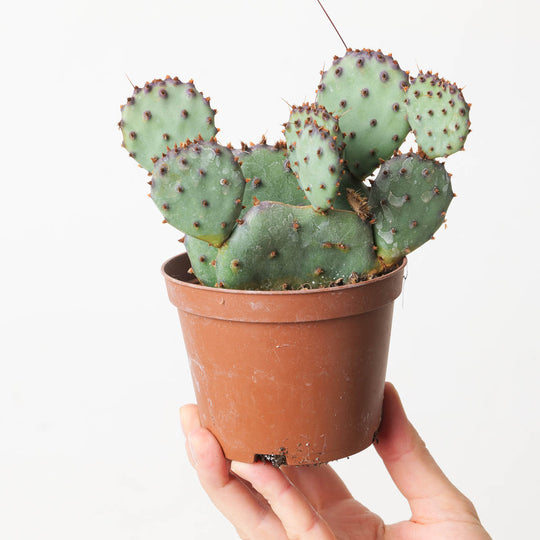
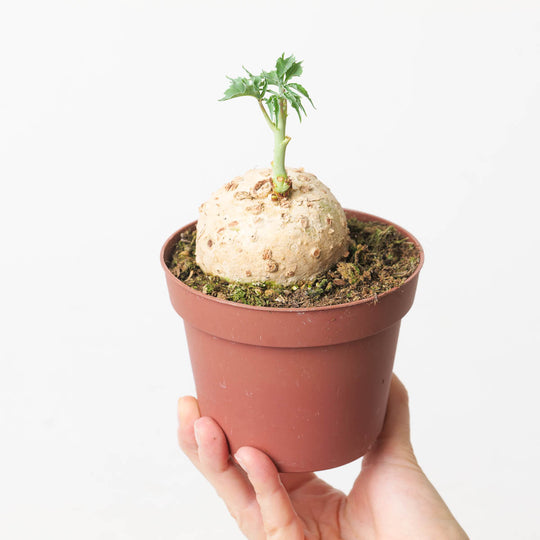
Cacti and Succulents


Our cacti and succulents collection brings together a wide range of drought-tolerant plants suited to bright, sunny spots. From classic cacti like Mammillaria and Echinocactus to popular succulents like Echeveria and Haworthia, there is something for every taste and every growing space.

Cacti and succulents are among the most forgiving plants you can grow. They store water in their leaves and stems, meaning they are highly tolerant of irregular watering and suit busy households perfectly. Pair yours with our Desert Mix potting compost for the ideal free-draining growing environment.

319 products

    319 products
    Schlumbergera truncata 'Pink' 9cm Plants GrowTropicals
    Thanksgiving Cactus

    Schlumbergera truncata 'Pink'

    🍘 Flowering
    £7.99
    Schlumbergera truncata 'White' 9cm Plants GrowTropicals
    Thanksgiving Cactus

    Schlumbergera truncata 'White'

    🍘 Flowering
    £7.99

    Shop Cacti and Succulents at GrowTropicals

    Cacti and succulents are among the most diverse and collectable groups of plants in the world. Adapted to thrive in some of the most challenging environments on earth, from arid deserts to high-altitude mountains, they have developed remarkable ways of storing water and surviving extended dry periods. Whether you are drawn to the bold architectural columns of a large cactus or the delicate rosettes of an Echeveria, our collection has something to suit every level of plant enthusiast.

    How to care for cacti and succulents

    The golden rule with cacti and succulents is to water less than you think you need to. During the growing season (spring and summer), water thoroughly but allow the compost to dry out completely before watering again. In autumn and winter, reduce watering significantly, and many cacti prefer to be kept almost completely dry. The most common cause of death for these plants is overwatering. Bright light is essential for most species, and a south or west-facing windowsill is ideal.

    The right potting mix matters

    Standard potting compost holds too much moisture for cacti and succulents and will lead to root rot over time. A specialist free-draining mix is essential. Our Desert Mix is a premium peat-free blend formulated specifically for cacti and succulents, providing the sharp drainage and aeration these plants need to thrive. It is loved by thousands of our customers and makes repotting straightforward.

    Collecting cacti and succulents

    Beyond the common species, cacti and succulents offer a world of extraordinary collector plants. Rare Gymnocalycium and Ariocarpus cacti, unusual Haworthia varieties, and form varieties of familiar species attract dedicated enthusiasts across the UK. Our range includes a mix of accessible everyday varieties and harder-to-find collector specimens. We work with trusted specialist suppliers to bring in new stock regularly, so it is always worth checking back for the latest arrivals.
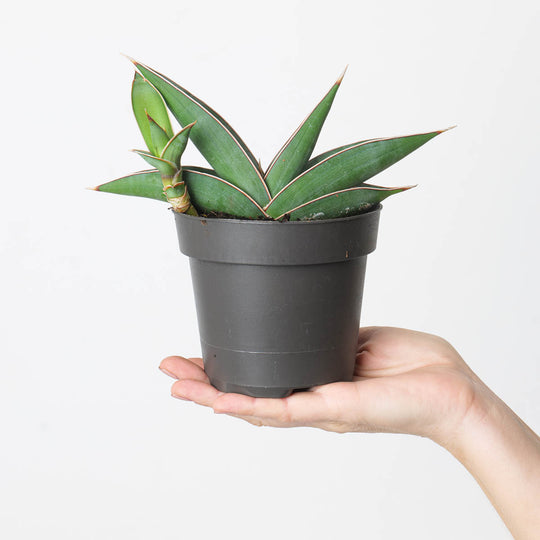
    Frequently Asked Questions

    All cacti are succulents, but not all succulents are cacti. The term 'succulent' describes any plant that stores water in fleshy leaves, stems, or roots as an adaptation to dry conditions. Cacti are a specific plant family (Cactaceae) distinguished by having structures called areoles, which are small cushion-like pads from which spines, flowers, and new growth emerge. Familiar succulents that are not cacti include Echeveria, Aloe, Haworthia, and Crassula.

    Water thoroughly but infrequently. In spring and summer, water when the compost has dried out completely, which is typically every 2 to 4 weeks depending on the size of the pot and the temperature. In autumn and winter, reduce watering to once a month or less, and many cacti prefer to be kept almost dry over winter. Always use a pot with drainage holes and empty the saucer promptly. Overwatering is by far the most common cause of problems with these plants.
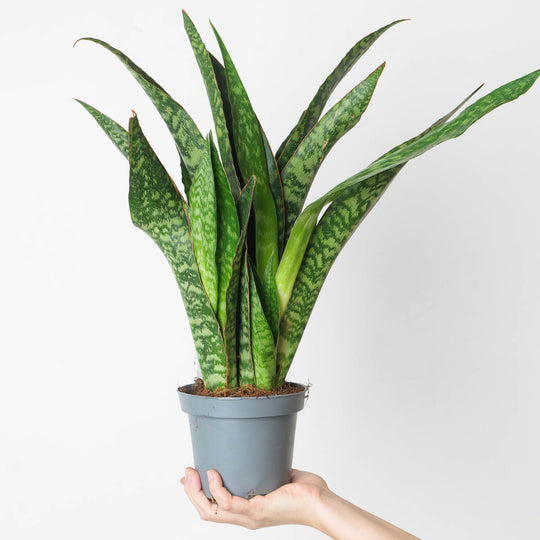
    Most cacti and succulents require bright light, ideally a south or west-facing windowsill with several hours of direct sun per day. Without adequate light, they become 'etiolated', stretching towards the light source and losing their compact shape. In the UK, a supplementary grow light can help over the winter months when natural light levels are low. Some succulents such as Haworthia and Gasteria tolerate lower light than most, making them more versatile for shadier spots.
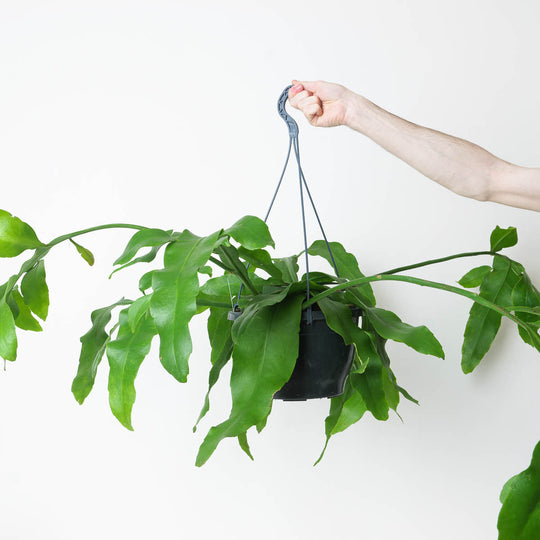
    It depends on the species. Many succulents are non-toxic to cats and dogs, including Haworthia and Echeveria. However, some are mildly toxic, such as Aloe vera and certain Euphorbia species, which produce a milky sap that can cause irritation. Cacti spines also pose a physical hazard to curious pets. If you have pets and are concerned about toxicity, browse our pet-safe plant collection for confirmed safe varieties.
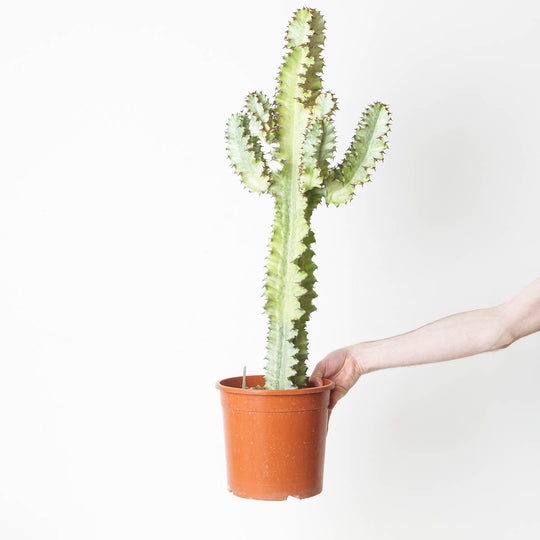
    Cacti and succulents need a free-draining, gritty compost that dries out quickly after watering. Standard houseplant compost retains too much moisture and will cause root rot over time. A dedicated cactus and succulent mix, ideally blended with additional perlite or coarse grit, is the best choice. Our Desert Mix is peat-free and formulated specifically for these plants, providing excellent drainage and aeration.

    Some can, but most of the species sold as houseplants in the UK are not frost-hardy and must be kept indoors or in a frost-free greenhouse over winter. A few cacti, such as Opuntia species, are surprisingly cold-tolerant and can survive mild UK winters in a sheltered, well-drained spot. Hardy succulents including Sempervivum (Houseleeks) and Sedum can be grown outdoors year-round. Always check the specific hardiness of a variety before leaving it outside.