Why Bathrooms Are Great for Plants
The humidity generated by daily showers and baths creates conditions that are close to a tropical plant's natural habitat. Many popular houseplants, including Ferns, Calatheas, Orchids, and Peace Lilies, struggle in the dry air of living rooms and bedrooms, developing brown leaf tips and reduced vigour. In a bathroom, the same plants thrive with minimal intervention, often needing less frequent misting and less intensive humidity management.
Best Plants for Bathrooms with Windows
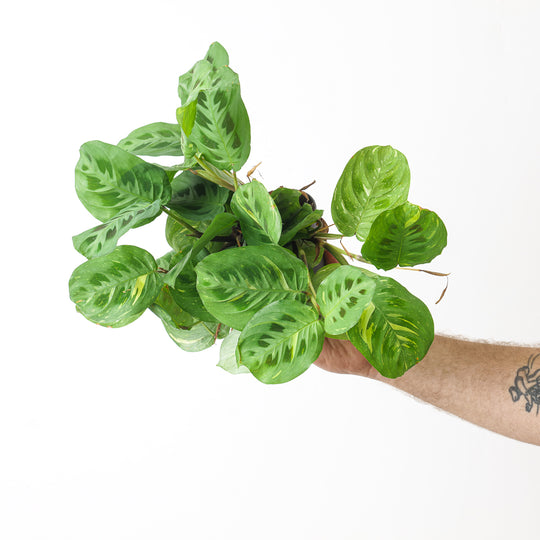
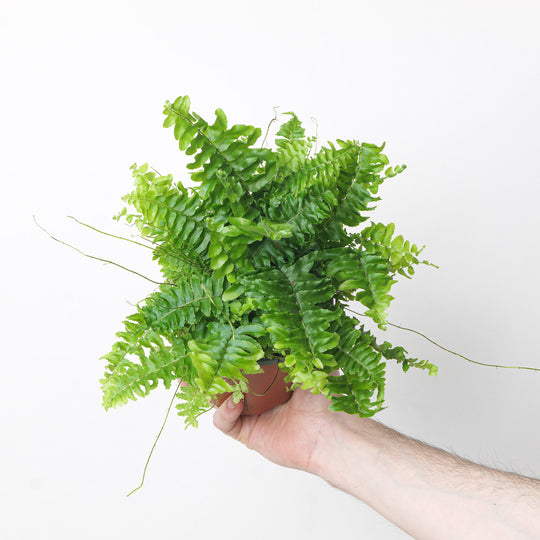
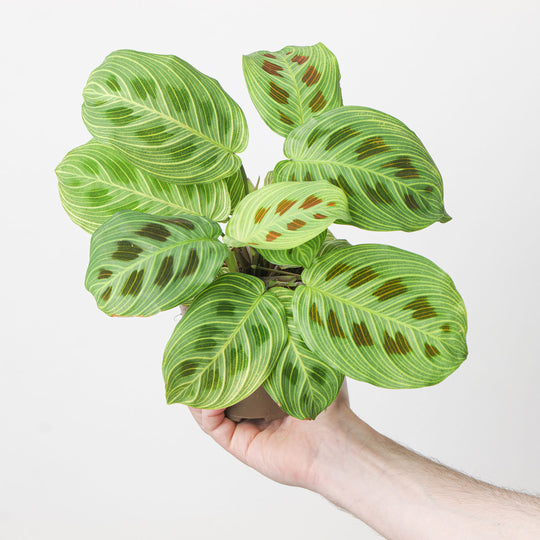
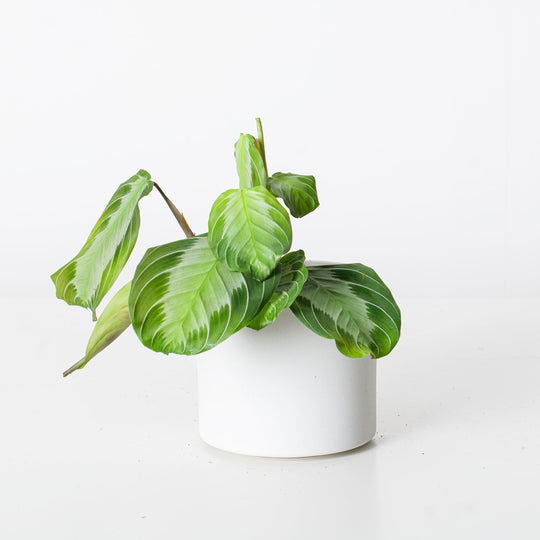
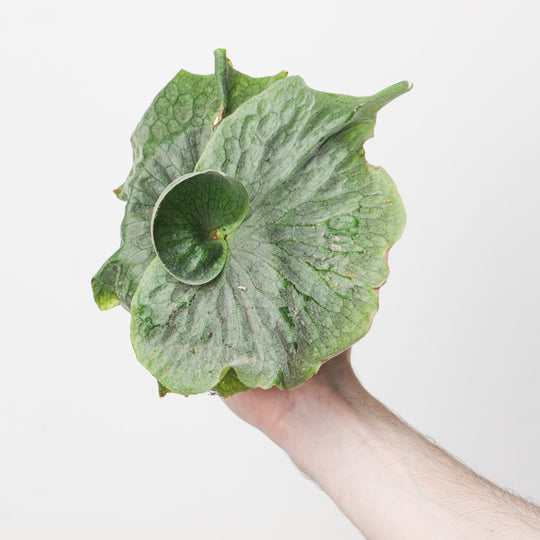
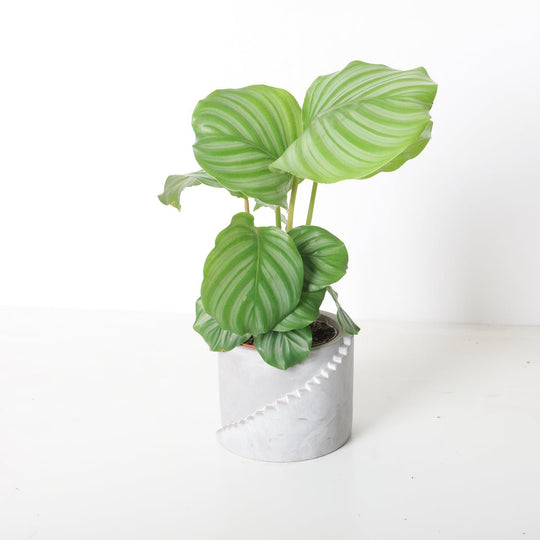
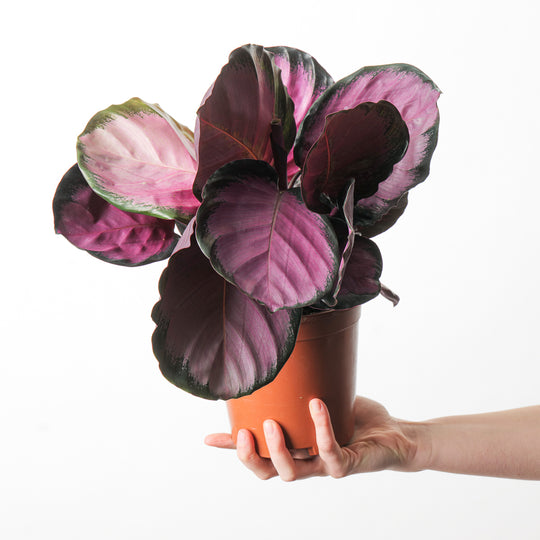
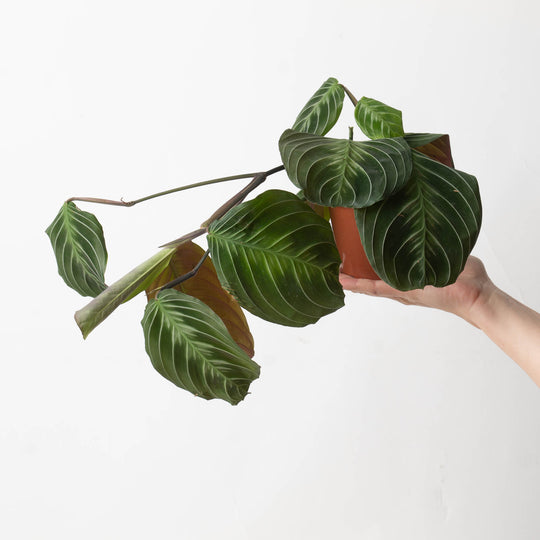
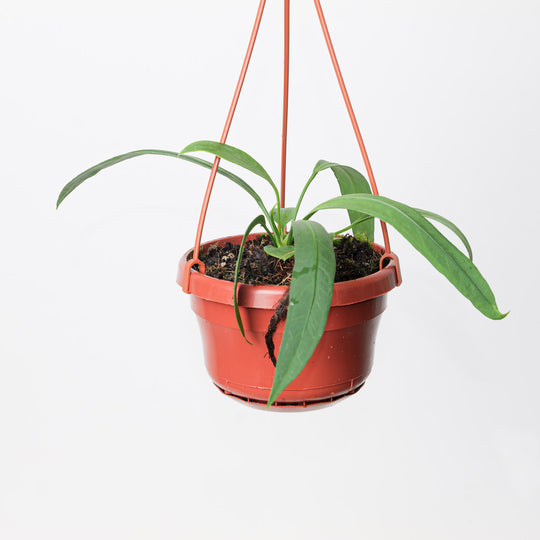
A bathroom with a window, even a frosted or north-facing one, supports a wide range of humidity-loving plants. Bird's Nest Fern (Asplenium nidus) is one of the best choices: it thrives in low light and high humidity, producing bold, glossy fronds. Peace Lily (Spathiphyllum) flowers reliably in low-light bathrooms and is non-toxic. Calatheas and Marantas love the humid air and indirect light. Orchids (Phalaenopsis) also do very well in bright bathroom conditions.
Best Plants for Bathrooms Without Windows
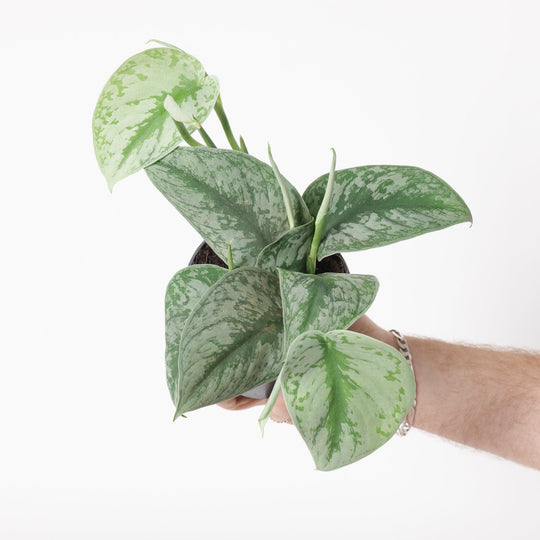
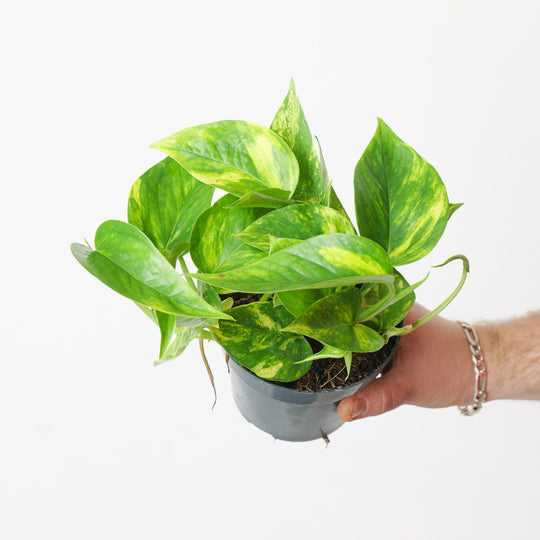
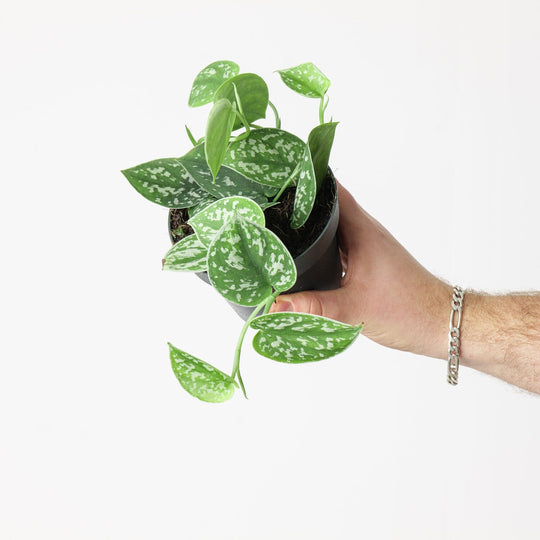
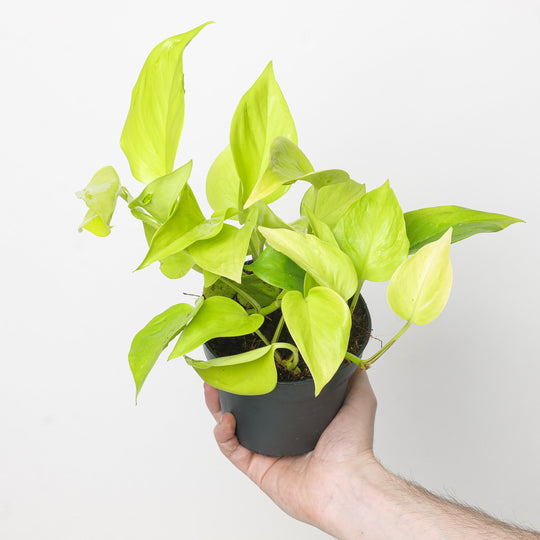
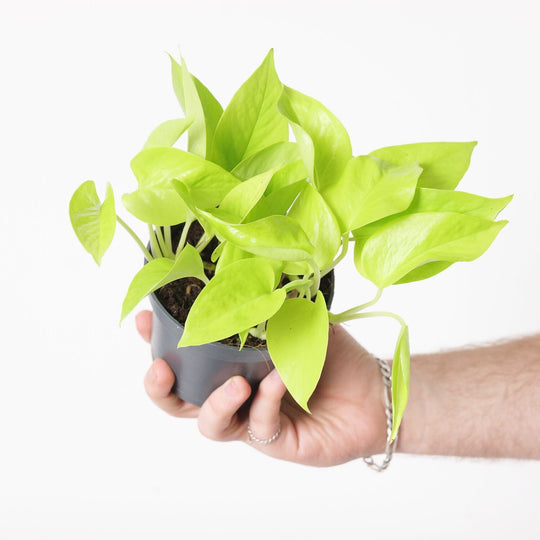
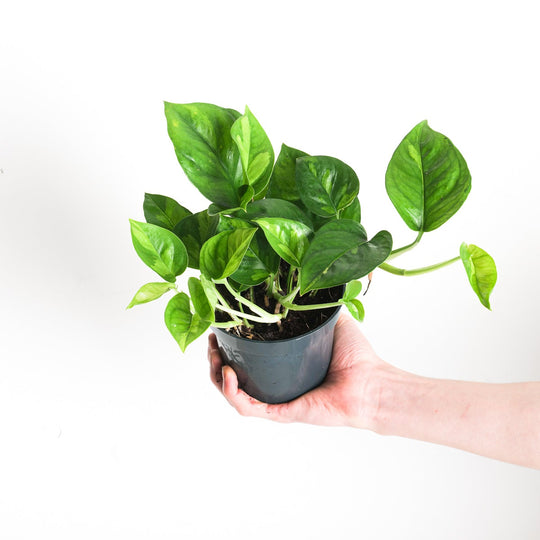
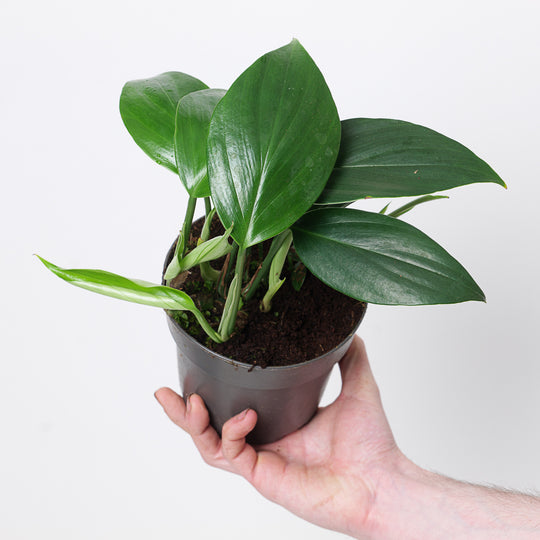
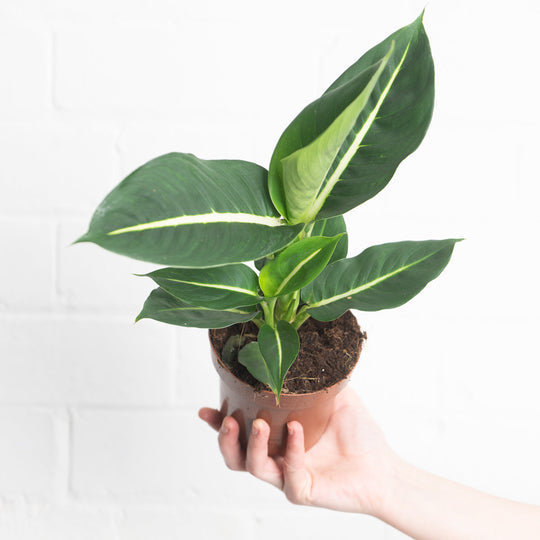
Bathrooms without natural light are challenging for plants, but not impossible with the right support. A full-spectrum LED grow light provides the light energy plants need. In a windowless bathroom, Pothos and ZZ Plants are the most resilient options. For a more decorative display, add a grow light and choose Peace Lily or Asplenium. Rotate plants regularly with ones in brighter rooms to keep them healthy.
Managing Bathroom Humidity
While bathroom humidity helps tropical plants, very high humidity after a hot shower can cause issues if ventilation is poor. Mould and fungal problems can develop on leaves in poorly ventilated, constantly wet conditions. Ensure the bathroom has adequate ventilation and allow air to circulate after showers. Plants in well-ventilated bathrooms with regular but not constant humidity will generally perform better than those in sealed, damp rooms.
Watering Bathroom Plants
Plants in humid bathrooms often need watering less frequently than the same species in a drier room. The ambient humidity reduces moisture loss from the compost and leaves, so check the compost before watering rather than following a fixed schedule. In summer, most bathroom plants will still need regular watering, but in winter the reduced evaporation rate means the compost stays moist for longer.
Displaying Plants in Bathrooms
Windowsills, shelving units, and hanging planters all work well in bathrooms. Trailing plants like Pothos and String of Hearts look beautiful hanging from a high shelf or mounted on the wall. Larger statement plants like Peace Lily or Bird's Nest Fern work well on the floor if space allows. Waterproof pots and trays are sensible in a bathroom environment to prevent water damage to surfaces.