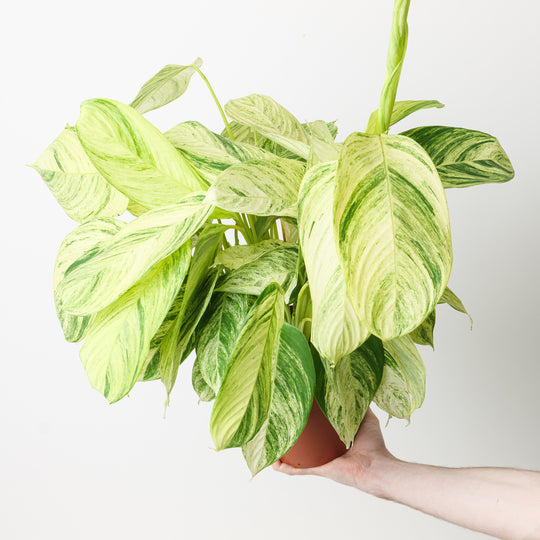
Stromanthe


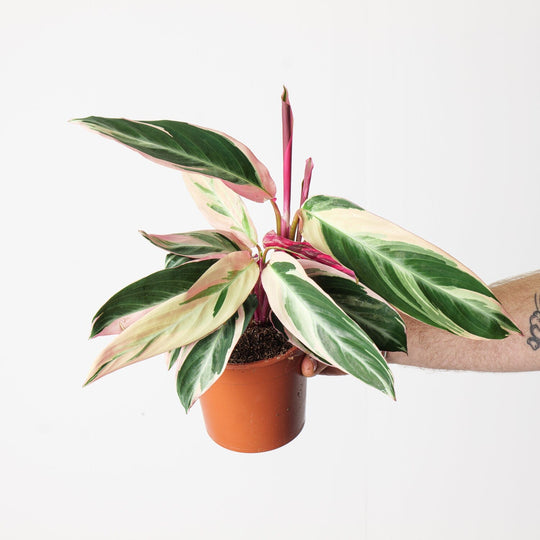
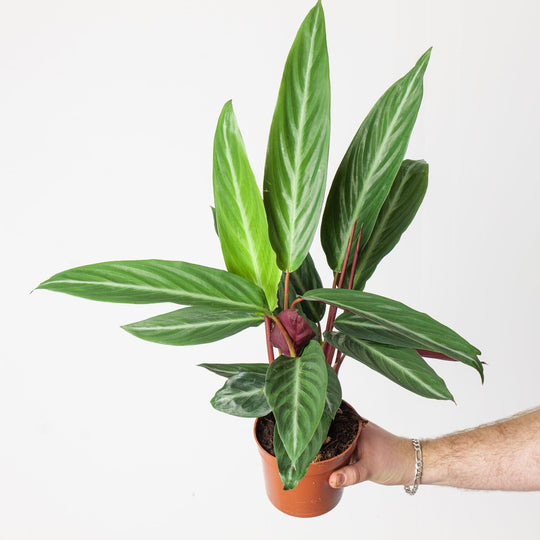
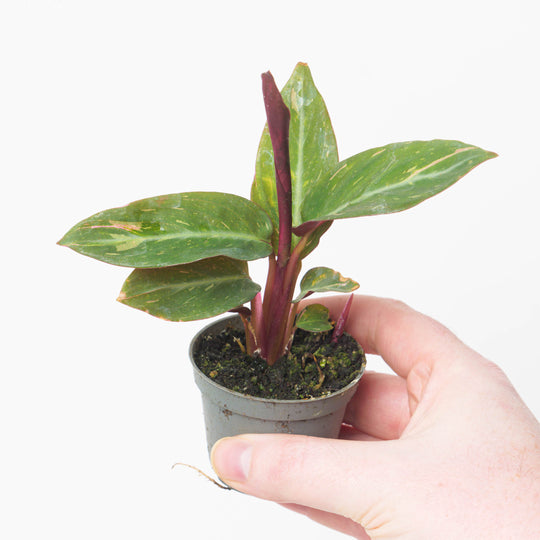
Stromanthes are bold, dramatic tropical plants from the rainforests of Brazil, members of the Marantaceae family alongside Calathea and Maranta. The most widely grown variety, Stromanthe sanguinea 'Triostar', is particularly striking, producing long, lance-shaped leaves with variegated patterns of cream, white, and bright pink on the upper surface and a vivid magenta-pink reverse. Like their Calathea relatives, stromanthe leaves fold upward at night in a movement known as nyctinasty, adding life and character to any room. At Grow Tropicals, our stromanthes are greenhouse-grown under humid, warm conditions.

Place in bright, indirect light to maintain vivid variegation, keep consistently moist with good humidity, and protect from cold draughts. A spectacular statement plant that rewards attentive care with some of the most colourful foliage in the tropical houseplant world.

7 products

    7 products

    Stromanthe | Triostar Plants

    About Stromanthe

    Stromanthe is a genus of around 13 species of tropical perennials native to the rainforests of Central and South America, particularly Brazil. They belong to the Marantaceae family, making them close relatives of Calathea, Maranta, and Ctenanthe. The most popular houseplant variety is Stromanthe sanguinea 'Triostar', celebrated for its dramatic variegated foliage: dark green, cream, and white on the upper surface with a vivid magenta-pink underside that becomes visible when the leaves fold up at night.

    Light Requirements

    Bright, indirect light produces the most vivid variegation. Too little light causes the colourful markings to fade, with new leaves emerging predominantly green. Too much direct sun bleaches the leaves and causes brown scorch marks. An east or west-facing position with good ambient brightness is ideal. Avoid dark corners.

    Watering

    Keep the compost consistently moist during spring and summer, but never waterlogged. Allow the top centimetre to dry slightly before watering again. Stromanthe is sensitive to both drought (which causes leaf curl) and overwatering (which causes root rot and yellowing). Use room-temperature water, as cold water can cause leaf spotting.

    Humidity

    High humidity is important for stromanthe. Low humidity causes leaf edges to brown and curl. Mist the leaves regularly with a fine mist, place on a pebble tray filled with water, or use a humidifier nearby. A bathroom or kitchen with natural light can be an excellent location. Avoid positioning near radiators or air conditioning vents.

    Temperature

    Stromanthe prefers temperatures of 18-26 degrees C and dislikes cold draughts and temperatures below 15 degrees C. Avoid placing near exterior doors, cold windowsills, or heating vents. Stable warmth produces the most consistent growth.

    Feeding and Repotting

    Feed monthly during spring and summer with a balanced liquid fertiliser at half strength. Repot every 1-2 years in spring when roots begin to escape the pot. Use a moisture-retentive, peat-free compost with good drainage. Avoid disturbing the roots more than necessary.

    Nyctinasty

    Like all Marantaceae, stromanthe leaves fold upward in the evening and open again in the morning, a movement known as nyctinasty or the prayer movement. This is healthy, natural behaviour and one of the most appealing characteristics of the plant. If leaves remain folded during the day, this may indicate insufficient light or low temperatures.

    Frequently Asked Questions

    Place in bright, indirect light. Keep compost consistently moist but not waterlogged, using room-temperature water. Mist regularly or use a humidifier for humidity. Feed monthly during spring and summer. Keep above 15 degrees C and away from cold draughts and heating vents.

    Leaf curling in stromanthe is most often caused by low humidity or underwatering. Increase misting frequency, use a pebble tray with water, and ensure the compost does not dry out completely between waterings. Cold draughts can also cause curling, so check the plant is in a warm, stable position.

    Brown leaf edges are almost always caused by low humidity or irregular watering. Stromanthe requires consistently high humidity. Increase misting, use a humidifier, or move to a naturally humid room. Also check that you are using room-temperature water, as cold tap water can cause brown spotting.

    No, but they are closely related. Stromanthe and Calathea belong to the same family (Marantaceae) and have very similar care requirements and the same leaf-folding movement. The main difference is appearance: Stromanthe 'Triostar' has particularly vivid cream, pink, and magenta variegation, while most Calatheas have darker, more subtly patterned leaves.

    Bright, indirect light is essential for maintaining the vivid variegation that makes stromanthe so striking. In low light, new leaves emerge with much less colour contrast. An east or west-facing windowsill is ideal. Avoid direct sun, which scorches the delicate leaves.

    This is completely normal. Stromanthe, like all Marantaceae, exhibits nyctinasty: leaves fold upward in the evening and open again in the morning in response to changing light levels. It is a healthy sign and one of the most endearing characteristics of the plant. If leaves remain folded during the day, move to a brighter position.