Polyscias


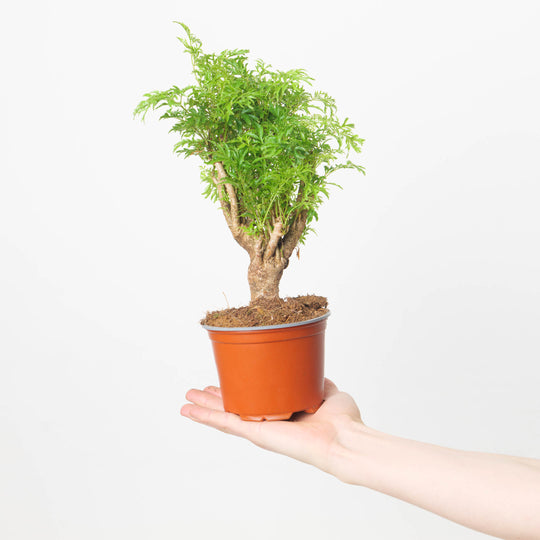
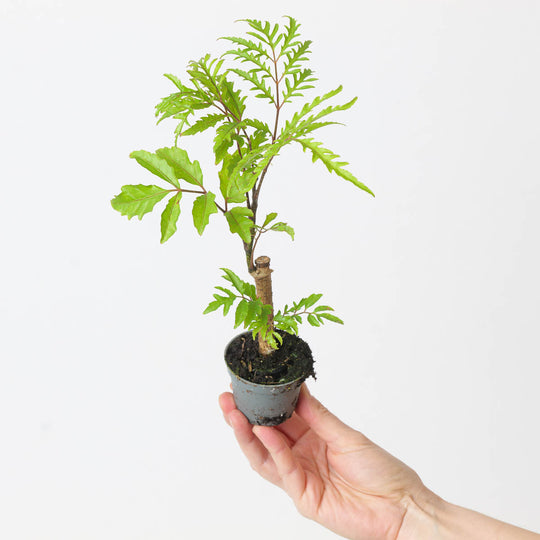
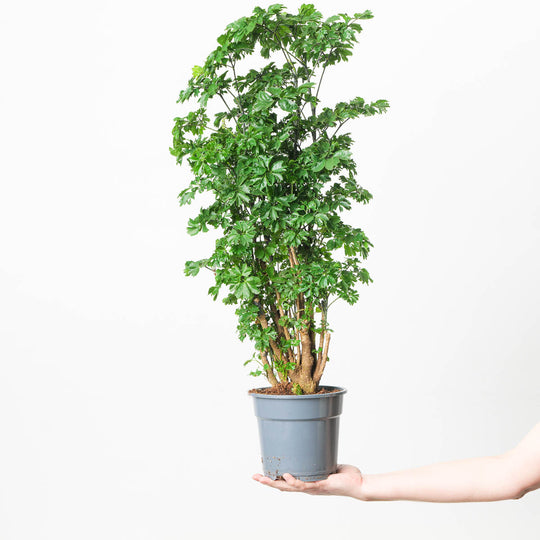
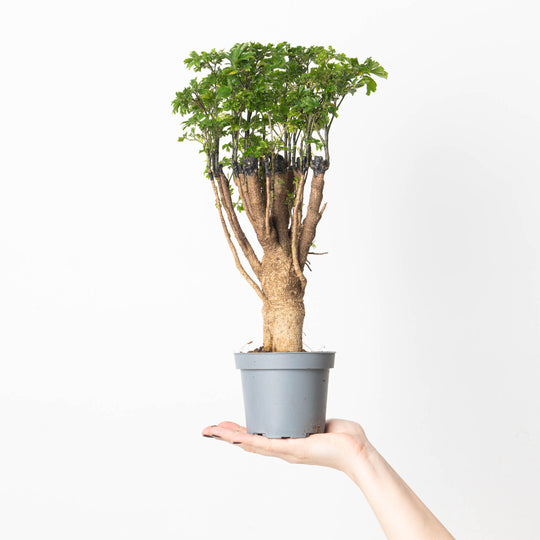
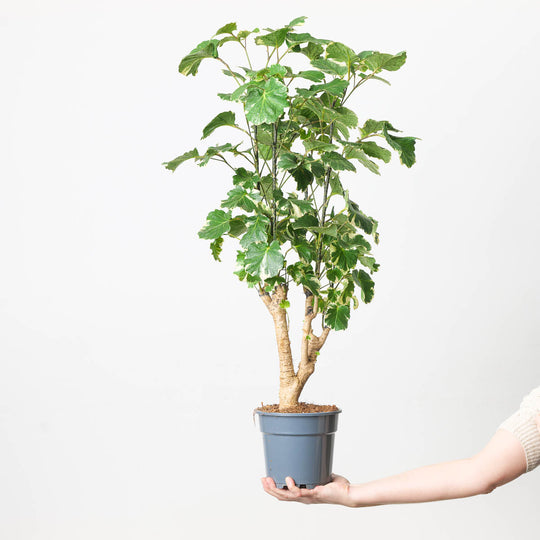
Polyscias are elegant, architectural houseplants from the Aralia family, prized for their delicate, finely divided foliage and graceful, branching habit that gives them the appearance of miniature trees. Several species are popular as indoor bonsai-style plants, slowly developing woody, twisted stems and lush canopies of feathery green or variegated leaves. Native to tropical regions of Asia and the Pacific, polyscias thrive in warmth and humidity. At Grow Tropicals, our polyscias are carefully cultivated to develop strong, established root systems before dispatch.

Position in bright, indirect light with stable temperatures and consistent humidity. Polyscias are sensitive to draughts, low humidity, and temperature fluctuations, but reward attentive care with years of slow, graceful growth that makes each plant a unique specimen.

8 products

    8 products

    Polyscias | Ming Aralia

    About Polyscias

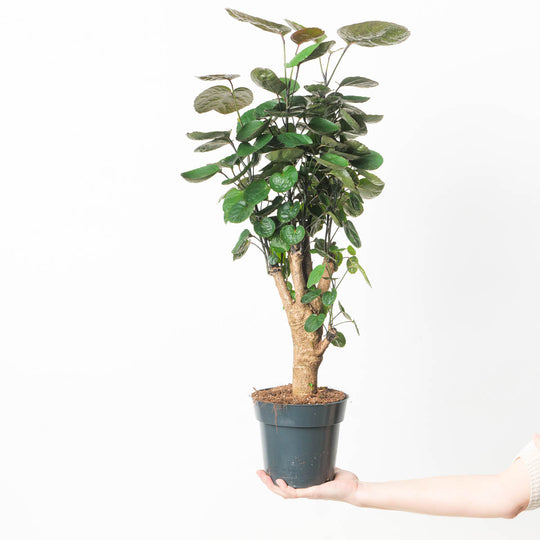
    Polyscias is a genus of around 100 species of shrubs and small trees in the family Araliaceae, native to tropical Asia, the Pacific Islands, and parts of Africa. Several species are cultivated as houseplants, including Polyscias fruticosa (ming aralia), Polyscias scutellaria (shield aralia), and Polyscias balfouriana. They are valued for their intricate, finely cut foliage and their tendency to develop attractive, sculptural woody stems over time.

    Light Requirements

    Polyscias do best in bright, indirect light. A spot near a south or west-facing window, shaded from direct midday sun, is ideal. They can adapt to lower light but growth slows considerably and the plant becomes less robust. Insufficient light combined with cool temperatures is a common cause of leaf drop.

    Watering

    Allow the top 2-3 cm of compost to dry between waterings during the growing season. Polyscias dislike both overwatering and prolonged drought. In winter, reduce watering to match the slower growth rate. Always use room-temperature water and ensure the pot drains freely.

    Humidity and Temperature

    Warm, humid conditions are essential. Polyscias prefer temperatures of 18-27 degrees C and suffer in cold draughts or temperatures below 15 degrees C. Low humidity causes leaf drop and brown leaf tips. Mist regularly, use a pebble tray, or run a humidifier nearby for best results.

    Feeding

    Feed monthly during spring and summer with a balanced liquid fertiliser. Reduce to every 6-8 weeks in autumn and stop entirely in winter. Consistent feeding supports healthy leaf production and encourages the development of the plant's attractive woody structure.

    Pruning and Shaping

    Polyscias respond well to gentle pruning, which encourages branching and a fuller canopy. Prune in spring using clean, sharp scissors or secateurs. The plant can be shaped over many years into a bonsai-style specimen. Remove any dead or crossing branches to maintain the structure.

    Common Problems

    Leaf drop is the most common complaint and is almost always triggered by cold draughts, low humidity, overwatering, or moving the plant to a new position. Once settled, polyscias are stable. Spider mites and scale insects occasionally appear in low-humidity conditions and should be treated promptly with neem oil or a systemic insecticide.

    Frequently Asked Questions

    Polyscias drop leaves in response to stress, most commonly from cold draughts, low humidity, overwatering, or being moved to a new location. Once you identify and correct the cause, the plant should stabilise. Keep in a warm, draught-free position with consistent humidity and avoid moving it unnecessarily.

    Place in bright, indirect light in a warm, stable position away from draughts. Water when the top 2-3 cm of compost dries. Maintain high humidity by misting regularly or using a pebble tray. Feed monthly in spring and summer. Avoid cold windowsills and heating vents.

    Polyscias prefer high humidity of 50-70%. Low humidity is a leading cause of leaf drop and brown tips. Mist daily, use a humidifier, or place the pot on a pebble tray filled with water (with the base of the pot above the water level).

    Yes. Polyscias fruticosa (ming aralia) in particular is popular as an indoor bonsai. Its naturally gnarled, woody stems and fine foliage suit bonsai styling well. Regular pruning and root management over many years produces increasingly dramatic specimens.

    Polyscias are slow to moderate growers. Under ideal conditions, expect 15-30 cm of new growth per year. Growth slows considerably in winter. Pruning the tips encourages branching and a fuller canopy rather than tall, leggy growth.

    A pot that drains freely is essential. Polyscias are susceptible to root rot if left in waterlogged compost. Choose a pot with drainage holes and use a well-draining, peat-free compost. Terracotta pots help regulate moisture levels effectively.