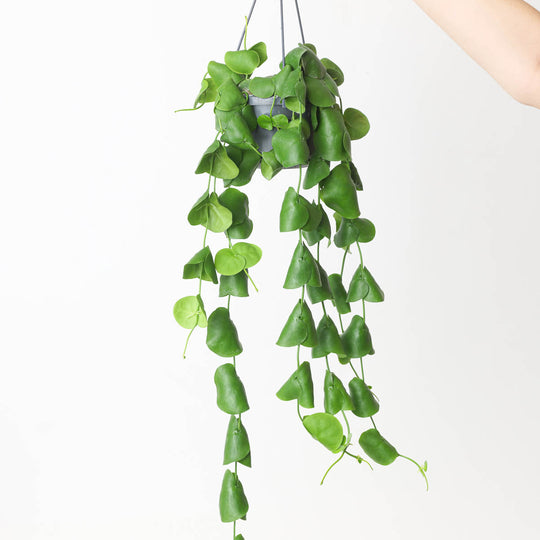
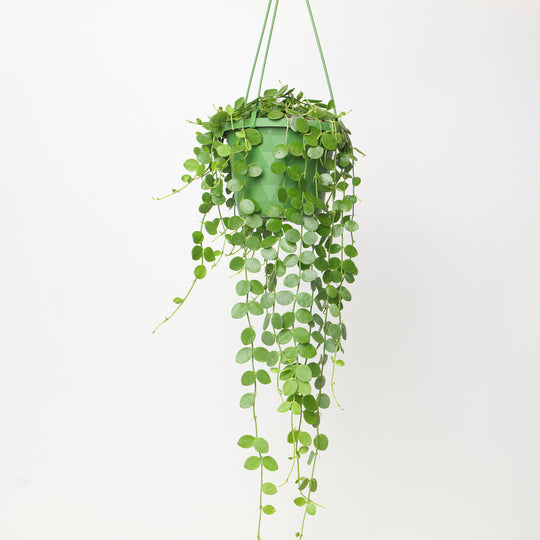
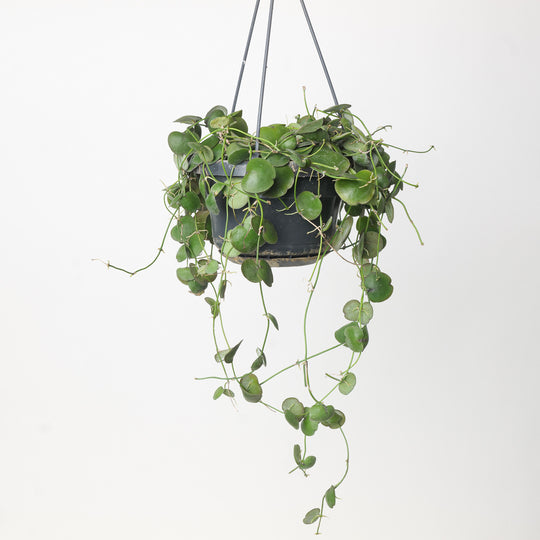
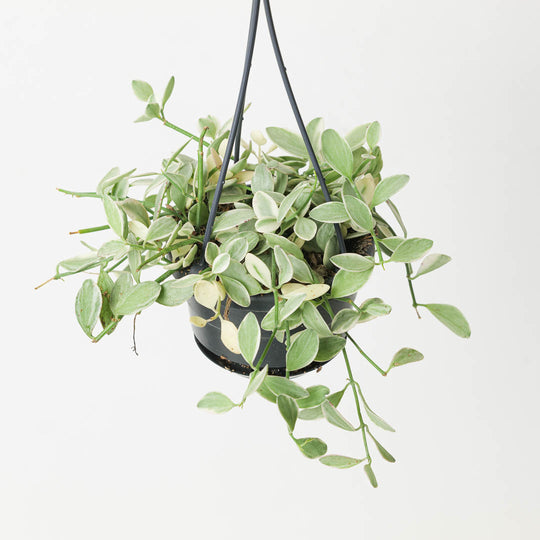
About Dischidia
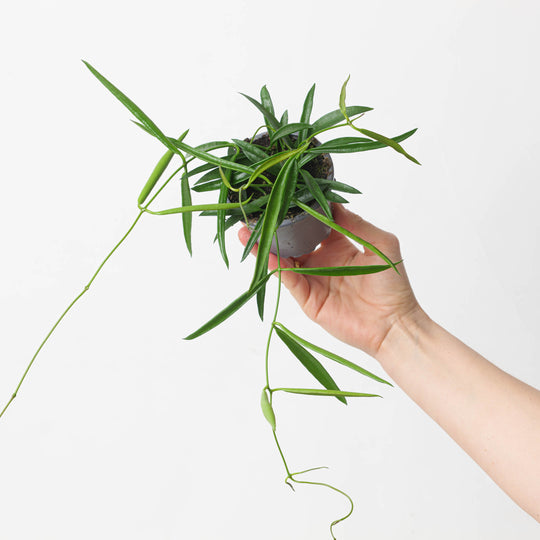
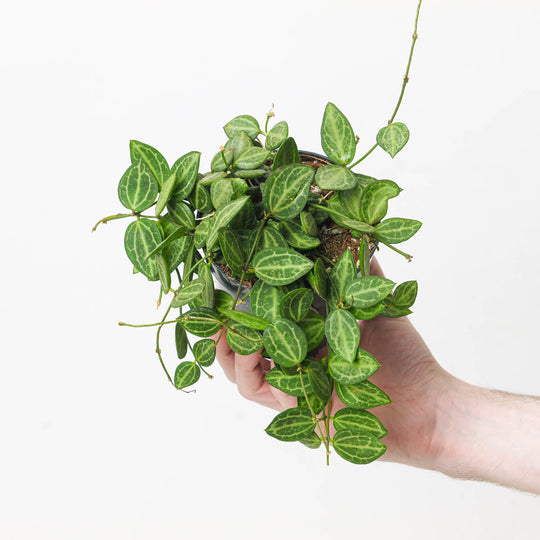
Dischidia is a genus of around 80 species of tropical epiphytic plants in the family Apocynaceae, closely related to hoya. Native to tropical regions of Asia, from India to Australia, they grow in the forest canopy as epiphytes, attaching to trees and absorbing nutrients from debris and moisture from the humid air. Several species, including D. pectinoides and D. major, develop modified, pouch-like leaves that collect rainwater and fallen organic matter, providing the plant with both water and nutrients.
Light Requirements
Bright, indirect light is ideal. Dischidia enjoys the dappled light of a bright room away from direct afternoon sun. An east or west-facing windowsill provides the right balance. Too much direct sun causes the small leaves to bleach and dry out; too little light slows growth and reduces compactness.
Watering
As epiphytes, dischidias have adapted to periods without direct soil moisture and prefer to dry slightly between waterings. Water when the top half of the growing medium has dried out, typically every 5-7 days in summer. In winter, reduce frequency. Misting the stems and leaves regularly replicates the humid conditions of their natural habitat.
Growing Medium
Dischidias grow best in a coarse, well-draining, airy mix rather than standard potting compost. A blend of orchid bark, perlite, and a small amount of coir or standard compost works well. The roots need air circulation and drainage above all else. Small, breathable terracotta pots or mounting on cork bark are ideal.
Humidity and Temperature
Warm, humid conditions suit dischidia well. Temperatures of 18-27 degrees C are ideal; they will tolerate down to about 13 degrees C but prefer consistent warmth. High humidity (50-70%) is beneficial and reduces the risk of leaf shrivelling. A bathroom or kitchen environment, or daily misting, helps maintain appropriate moisture levels.
Feeding
Feed monthly during spring and summer with a balanced liquid fertiliser diluted to half strength. As epiphytes, dischidia are adapted to low-nutrient conditions and do not require heavy feeding. Overfeeding can damage the delicate root system.
Display
Dischidias look beautiful in hanging baskets, small terracotta pots on shelves, or mounted on cork bark plaques. Their small, trailing stems and delicate foliage create an elegant, fine-textured display. They are excellent companions for hoyas and other tropical epiphytes in a mixed collection.