Bright Light Houseplants


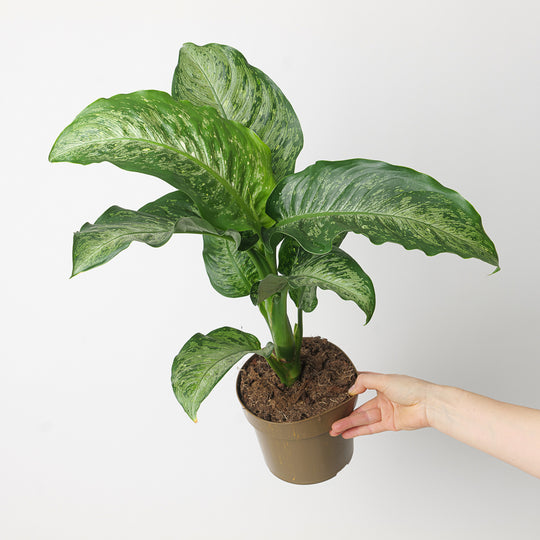
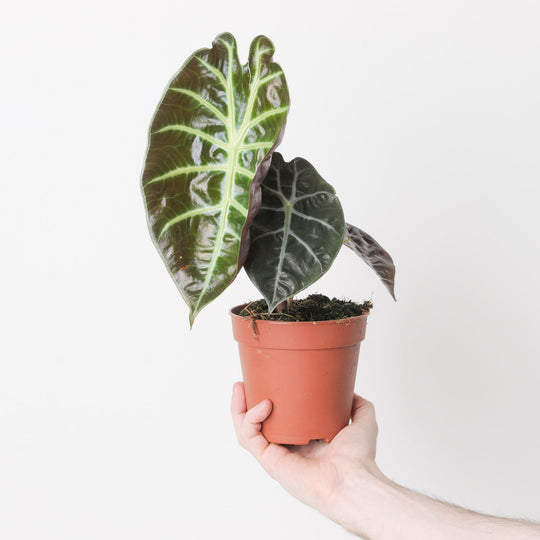
Houseplants that thrive in bright light make the most of sunny windowsills, conservatories and south-facing rooms. This collection includes over 260 species, from bold Strelitzia and sculptural Fiddle Leaf Fig to colourful Alocasia and striking variegated Ficus. If your space gets several hours of direct or bright indirect sun each day, these are the plants to fill it.

275 products

    275 products
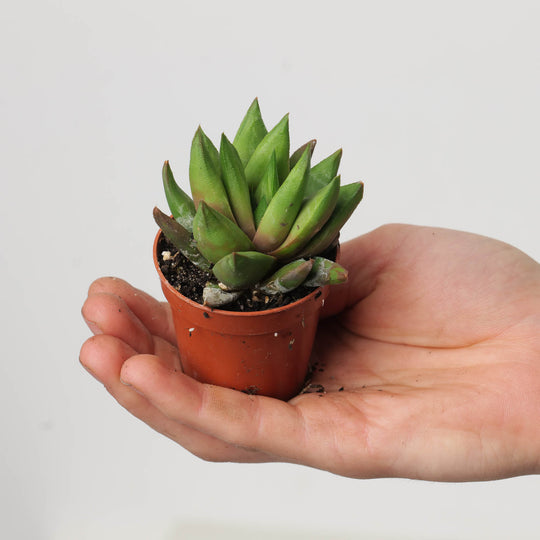
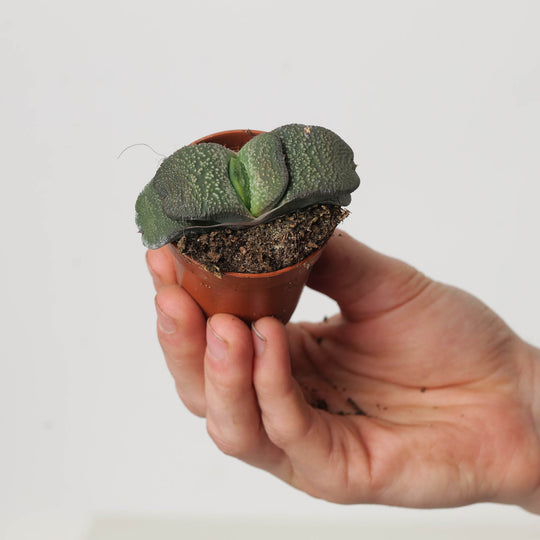
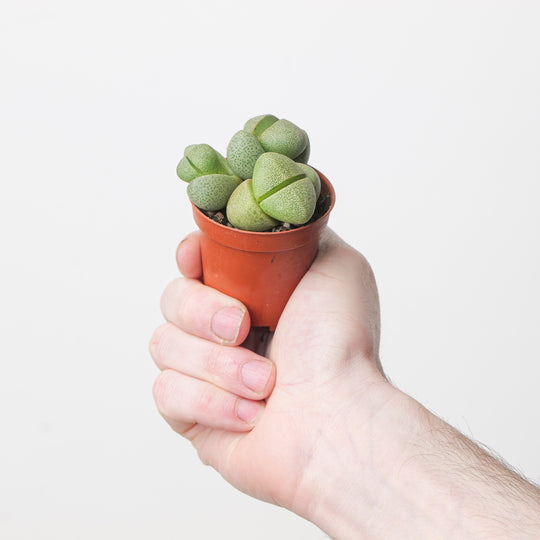
    Pleiospilos nelii Plants GrowTropicals
    Living Granite Succulent

    Pleiospilos nelii

    £4.99

    Bright Light Houseplants at Grow Tropicals

    Why Choose Bright Light Houseplants?

    Bright light plants are among the most visually dramatic houseplants you can grow. Species like Strelitzia reginae, Ficus lyrata and Alocasia zebrina produce larger leaves, stronger colours and more compact growth when given the light levels they need. A south-facing or west-facing window, a conservatory, or a bright room with several hours of sun each day will suit them well.

    Best Bright Light Plants for Beginners

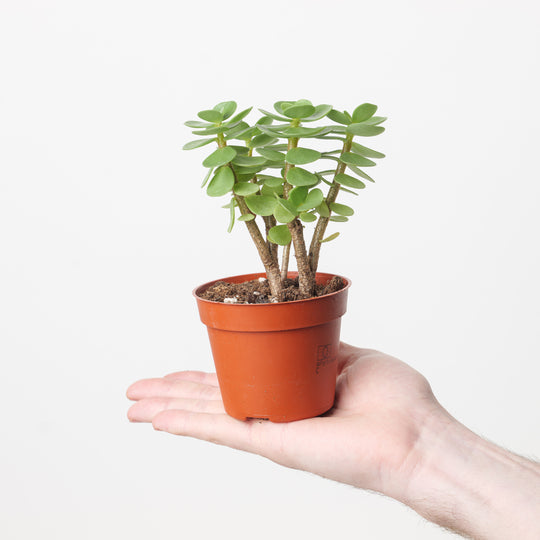
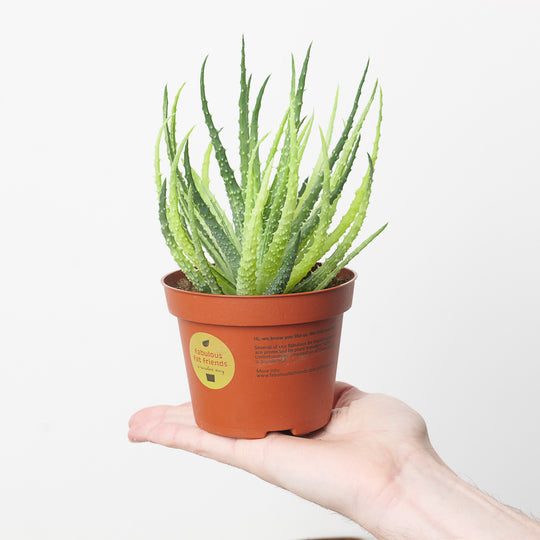
    If you are new to sun-loving houseplants, start with something forgiving. Golden Pothos tolerates a wide range of conditions but truly thrives in bright indirect light. Aloe vera and Crassula ovata (Jade Plant) are both drought-tolerant and perfectly suited to a sunny windowsill. For something taller, Pachira aquatica handles direct morning sun without scorching.

    Caring for Houseplants in Bright Light

    Bright light increases the rate at which plants use water, so check compost more frequently during spring and summer. Water when the top 2 to 3 cm feels dry. Feed every two to four weeks with a balanced liquid fertiliser during the growing season. Watch for leaf scorch on sensitive species if they receive intense midday sun through south-facing glass; pulling the plant back 30 to 50 cm or using a sheer curtain can solve this.

    Variegated Plants and Light

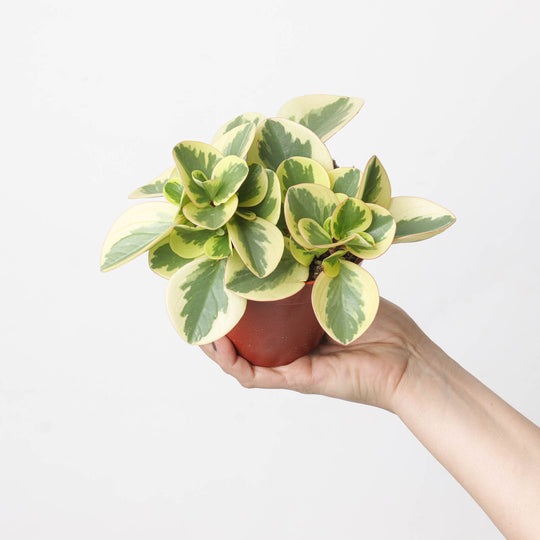
    Variegated cultivars such as Ficus elastica 'Tineke' and Marble Queen Pothos need brighter conditions than their fully green counterparts. The white or cream sections contain less chlorophyll, so the plant relies on its green areas to photosynthesise. Placing them in lower light often causes the variegation to fade as the plant compensates.

    Browse Related Collections

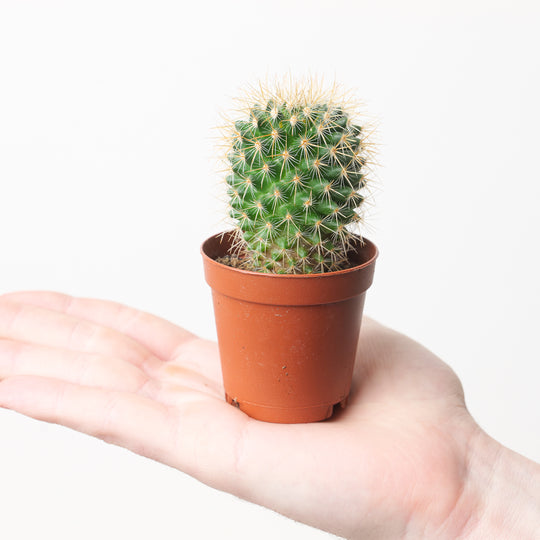
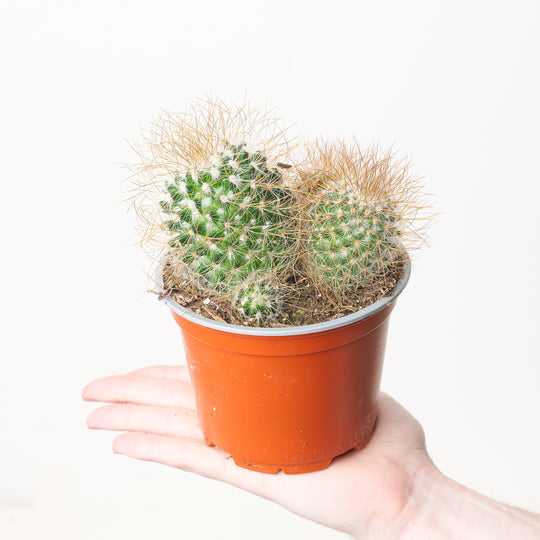
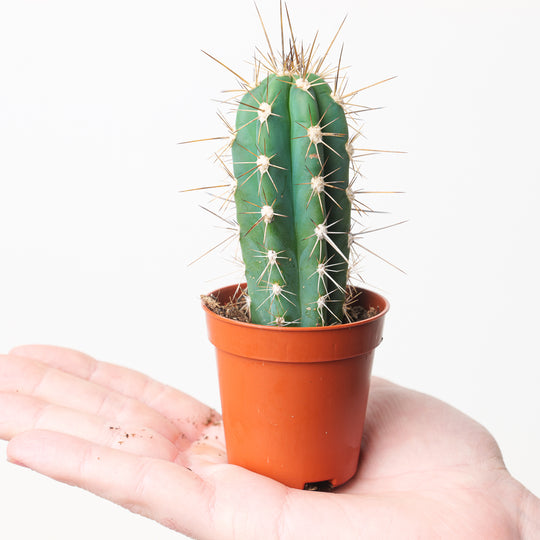
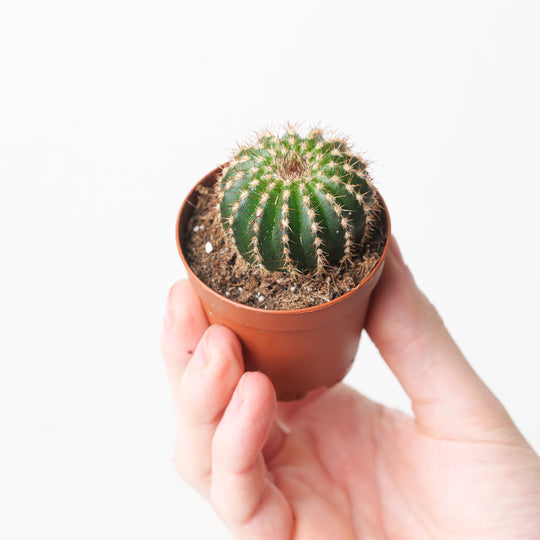
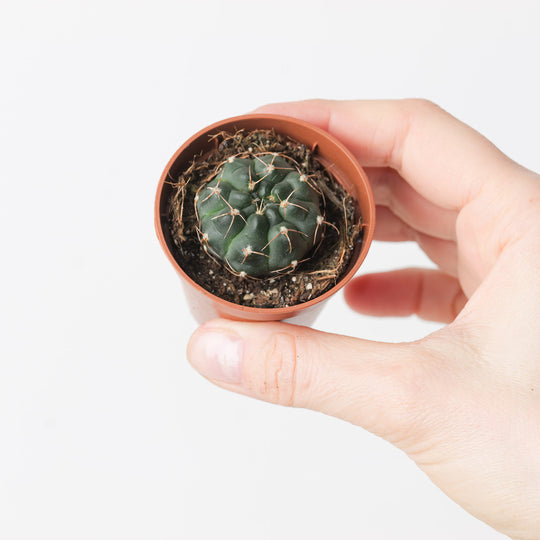
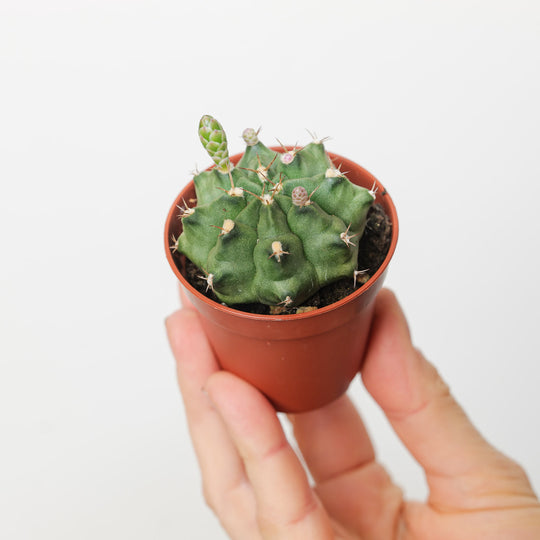
    Looking for something specific? Browse our Cacti and Succulents for drought-tolerant options, Alocasia for bold foliage, or our Easy Care Collection if you want low-maintenance plants that still enjoy a bright spot.

    Frequently Asked Questions

    Bright light houseplants are species that need several hours of direct or strong indirect sunlight each day to grow well. They originate from open habitats, forest edges or tropical canopies where light levels are high. Popular examples include Strelitzia, Ficus lyrata, Alocasia and cacti and succulents.

    South-facing and west-facing windowsills, conservatories and rooms with large windows are ideal positions. In lower light, these plants tend to become leggy, lose colour intensity and grow more slowly.

    Aloe vera and Jade Plant (Crassula ovata) are two of the most forgiving sun-loving houseplants. Both tolerate irregular watering and need very little attention beyond a bright windowsill. Golden Pothos also thrives in bright indirect light and is extremely hard to kill.

    For something with more visual impact, Pachira aquatica handles direct morning sun well and makes a striking floor plant without demanding much beyond regular watering.

    The most important adjustment is watering frequency. Bright light increases transpiration, so compost dries out faster. Check the top 2 to 3 cm of compost and water when it feels dry. During spring and summer, feed every two to four weeks with a balanced liquid fertiliser.

    Watch for leaf scorch, particularly on plants close to south-facing glass during summer. Pulling the plant back 30 to 50 cm or filtering light with a sheer curtain is usually enough to prevent damage. Rotate pots a quarter turn each week so growth stays even.

    Not all of them. Some, like cacti and succulents, genuinely need direct sun for several hours each day. Others, including Alocasia and many Philodendron species, prefer bright indirect light, meaning a well-lit room without harsh midday rays hitting the leaves.

    A good rule: if the plant has thick, waxy or silvery leaves, it usually handles direct sun. Thinner, darker leaves are more likely to scorch. Check individual product pages for specific guidance.

    Some are and some are not. Aloe vera is mildly toxic to cats and dogs, as are many Alocasia species (calcium oxalate crystals). Ficus lyrata sap can also cause irritation.
    Safer options for bright spots include Spider Plant (Chlorophytum) and many Calathea varieties. Always check the individual product page for pet safety information before purchasing.

    Leaf scorch shows as brown, crispy patches, usually on the side of the plant facing the window. It happens when intense direct sun, particularly through south-facing glass in summer, overheats the leaf tissue. Move the plant 30 to 50 cm back from the glass, or filter light with a sheer curtain during the hottest part of the day.

    Acclimatise plants gradually if moving them from a shaded spot into full sun. Increase exposure over one to two weeks rather than making the change overnight. Variegated plants like Ficus elastica 'Tineke' are especially prone and need a little extra care when positioning.