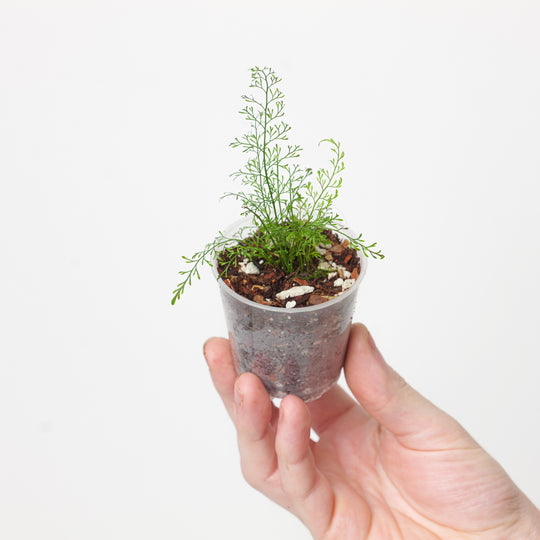
Asplenium


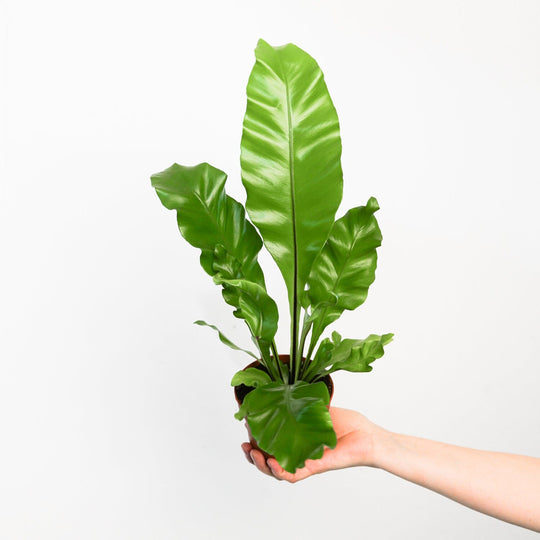
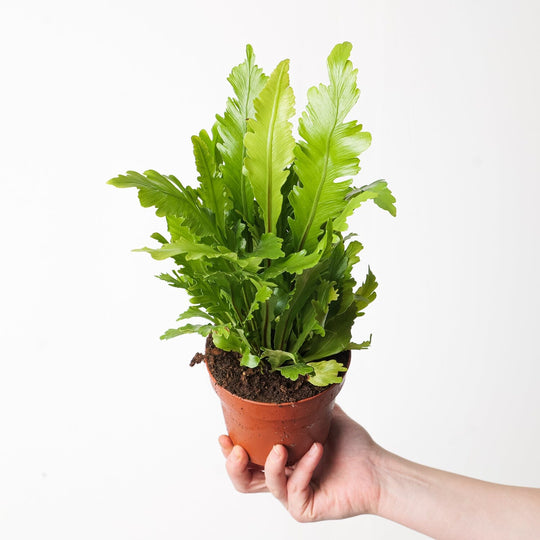
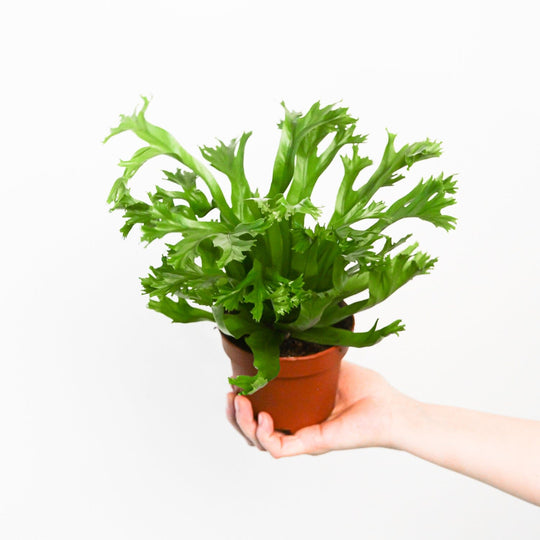
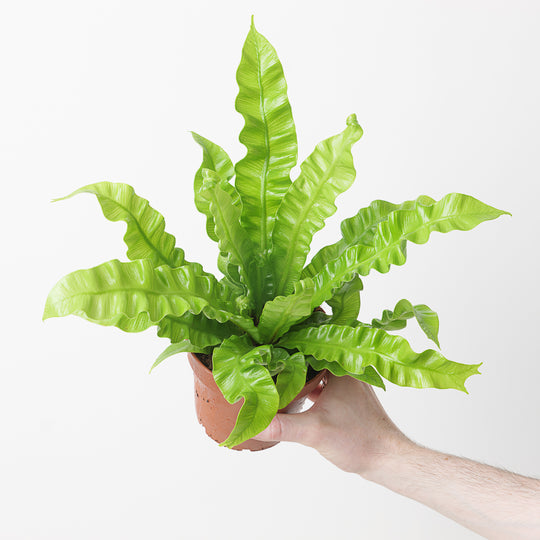
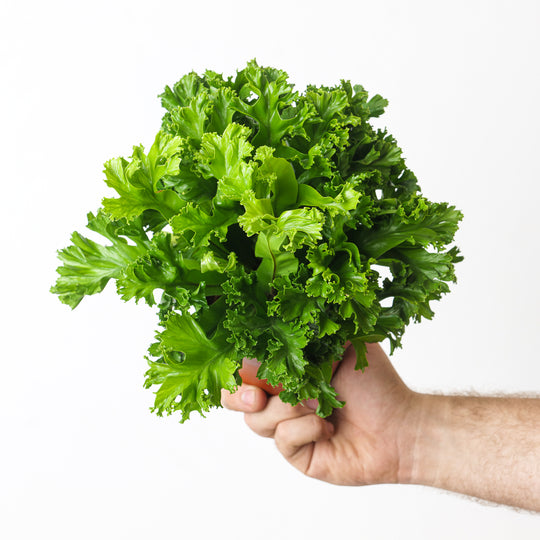
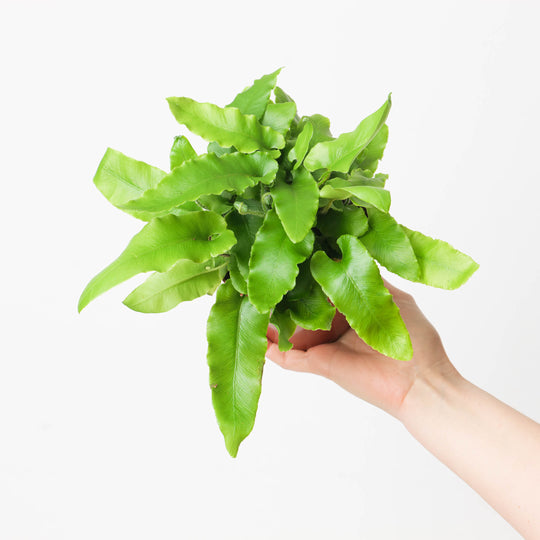
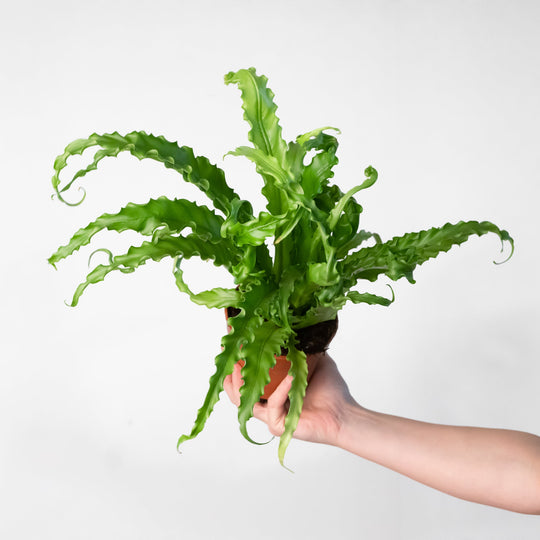
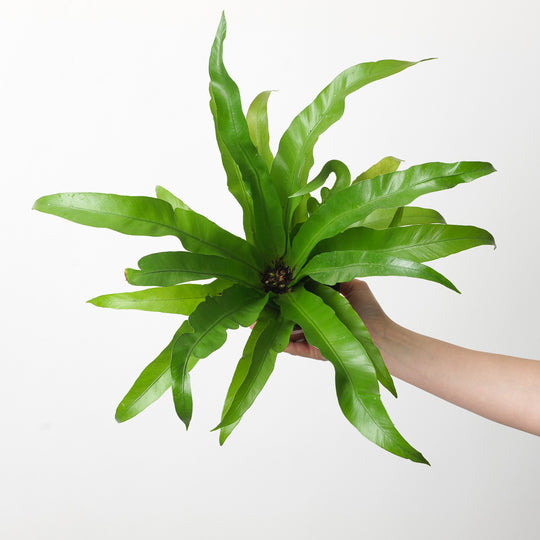
Asplenium, or bird's nest fern, is a lush, architectural fern with broad, glossy, bright-green fronds that unfurl from a central rosette in a shape reminiscent of a bird's nest. Native to tropical rainforests across Asia and the Pacific, aspleniums thrive in the warm, humid, low-light conditions found in many homes, making them one of the most reliable and rewarding of all ferns. At Grow Tropicals, every asplenium is greenhouse-grown to produce strong, well-developed fronds.

Position in indirect or low light, keep compost consistently moist but not waterlogged, and mist regularly to maintain humidity. Do not touch or disturb the central rosette, which is where new fronds emerge. A bold, elegant choice for bathrooms, north-facing rooms, or shaded living spaces.

10 products

    10 products

    Bird's Nest Ferns | Asplenium

    About Bird's Nest Ferns

    Asplenium nidus, the bird's nest fern, is the most commonly cultivated asplenium as a houseplant. Its common name comes from the dark, fibrous centre of the rosette, which resembles a bird's nest. In the wild, aspleniums grow as epiphytes on trees in tropical rainforests, catching falling leaf litter and moisture in their central cup. Cultivated specimens develop fronds 30-90 cm long under good conditions.

    Light Requirements

    Bird's nest ferns are well suited to low and indirect light, making them excellent for north-facing rooms and positions away from windows. Bright, indirect light promotes faster growth and wider fronds, but direct sun will scorch and bleach the leaves. A shaded east or north windowsill is ideal.

    Watering

    Keep the compost consistently moist but never waterlogged. Water around the edges of the pot, avoiding pouring water directly into the central rosette where new fronds emerge as this can cause rotting. Use room-temperature water. In winter, reduce watering slightly but never allow the compost to dry out completely.

    Humidity

    As a tropical rainforest native, asplenium appreciates high humidity. Mist daily, place on a pebble tray with water, or keep in a naturally humid room such as a bathroom or kitchen. Low humidity causes frond edges to brown and crisp.

    Temperature

    Aspleniums prefer temperatures of 15-27 degrees C. They will tolerate brief dips towards 10 degrees C but dislike cold draughts and temperatures below this. Avoid placing near exterior doors or on cold windowsills in winter.

    Feeding and Repotting

    Feed monthly during spring and summer with a balanced liquid fertiliser at half strength. Aspleniums are slow-growing and rarely need repotting more than every 2-3 years. Move up one pot size only when roots are visibly escaping the drainage holes. Use a peat-free, moisture-retentive compost with added perlite.

    Common Problems

    Brown frond edges are usually caused by low humidity or irregular watering. Yellowing fronds indicate overwatering or root rot. Scale insects and mealybugs occasionally appear on the undersides of fronds and can be treated with neem oil or a systemic insecticide.

    Frequently Asked Questions

    Position in indirect or low light. Keep compost consistently moist, watering around the edges of the pot rather than into the central rosette. Mist regularly for humidity and feed monthly with a diluted liquid fertiliser during spring and summer.

    Brown frond edges on asplenium are almost always caused by low humidity or infrequent watering. Increase misting, move to a more humid room such as a bathroom, or place on a pebble tray with water. Ensure the compost stays consistently moist but not waterlogged.

    Yes. Aspleniums are among the best ferns for low-light rooms. They tolerate north-facing windows and shaded positions well. Growth will be slower in dim conditions but the plant remains healthy. Avoid direct sun, which scorches the fronds.

    Water when the surface of the compost begins to feel slightly dry, typically every 5-7 days in summer and every 10-14 days in winter. Always water around the base of the plant rather than into the central rosette to avoid rot.

    New fronds emerge from the central rosette and are very soft and vulnerable to rot. Water sitting in the rosette can cause the emerging fronds to rot before they fully develop. Always direct water to the compost around the outside of the pot.

    Mist the fronds daily with a fine water mist, place the pot on a tray filled with pebbles and water (with the pot base above the water line), or move the plant to a naturally humid room such as a bathroom or kitchen. Grouping plants together also raises local humidity.