



Biophytum Care Guide
Biophytum is a genus of small, herbaceous plants best known for Biophytum sensitivum, a species famous for its leaves that gently fold in response to touch, light changes, or evening conditions. Its symmetrical rosette of leaflets gives it a palm-like appearance, making it a standout addition to terrariums, cabinets, and bright windowsills.
Native Habitat & Origins
Biophytum belongs to the Oxalidaceae family (along with Oxalis, Sarcotheca and Dapania) and includes over 50 species, with Biophytum sensitivum being widely cultivated as a houseplant.
Biophytum is native to tropical regions of South and Southeast Asia, with strong populations in India and Sri Lanka, Thailand, Malaysia, and Indonesia as well as parts of tropical Africa
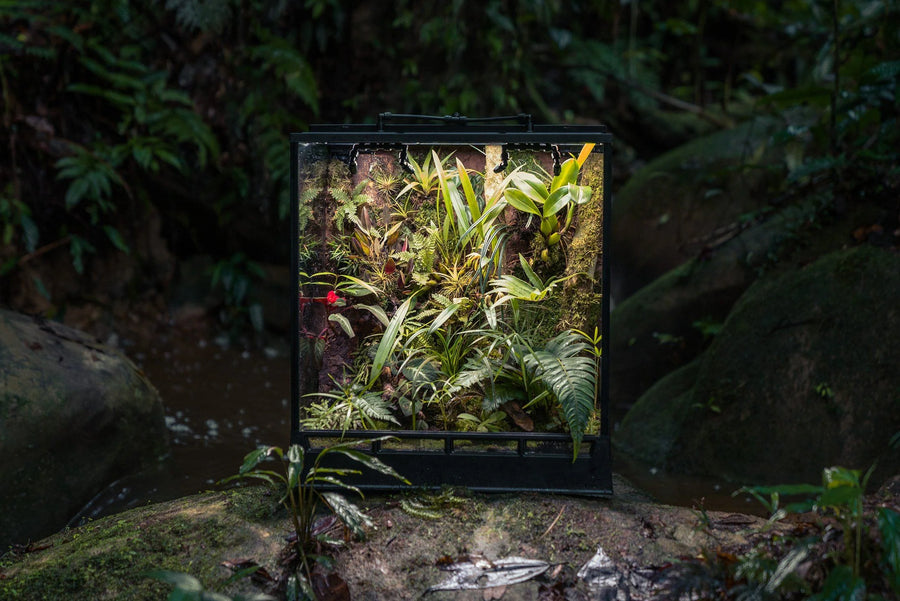
In its natural environment, Biophytum grows as a forest-floor understory plant, often found:
-
In humus-rich soil beneath trees
-
Along shaded riverbanks and woodland clearings
-
In warm, consistently humid microclimates
These environments are characterised by filtered light, steady moisture, and excellent drainage, which explains why Biophytum struggles in cold, dry, or compacted indoor conditions.
💡 Did You Know?
Biophytum sensitivum is a touch-responsive plant. When its leaves are gently touched, exposed to vibration, or experience sudden changes in light, the leaflets will fold inward and droop temporarily.
This movement is known as thigmonasty—a rapid plant response caused by changes in water pressure within specialised cells at the base of the leaflets.
Unlike damage-related responses, this movement is completely harmless and reversible. The leaves usually reopen within minutes once the stimulus is removed.
This sensitivity is thought to:
-
Reduce herbivore damage in the wild
-
Protect leaves during heavy rain
-
Help regulate moisture loss
What Lighting Do Biophytum Prefer?
Biophytum thrives in bright, indirect light.
Ideal lighting:
-
East- or north-facing windows
-
Filtered light through sheer curtains
-
Bright grow lights (especially in winter)
Avoid:
-
Direct midday sun, which can scorch leaves
-
Low-light conditions, which cause weak growth and leaf drop
If the plant becomes leggy or pale, it’s usually asking for more light.
How Often Should I Water My Biophytum?
Biophytum enjoys evenly moist soil, but it is highly sensitive to overwatering.
Watering tips:
-
Water when the top 1–2 cm of soil feels dry
-
Use room-temperature, low-mineral water if possible
-
Water thoroughly, then allow excess to drain away
Signs of watering issues:
-
Drooping or yellowing leaves → often overwatering
-
Crispy leaf edges → underwatering or low humidity
Consistency is more important than volume.
Do I Need to Fertilise My Biophytum?
Biophytum does benefit from feeding, but only in small amounts. During the active growing season in spring and summer, apply a diluted, balanced liquid fertiliser at quarter to half strength every four to six weeks. This gentle approach supports healthy growth without overwhelming the plant’s sensitive roots. Avoid fertilising in winter when growth naturally slows, as excess nutrients can accumulate in the soil. Overfeeding often leads to salt build-up and leaf damage, so with Biophytum, less is very much more.
Common Issues When Growing Biophytum Houseplants
Yellowing leaves
Yellowing foliage is most commonly a sign of overwatering or poor drainage. Biophytum has fine, delicate roots that require oxygen as much as moisture, and sitting in wet soil can quickly lead to root stress or rot. Compacted compost, oversized pots, or water left in the saucer can all contribute. Improving drainage, reducing watering frequency, and ensuring the pot has adequate holes will usually resolve the issue.
Leaf drop
Sudden leaf drop is often triggered by environmental shock. Cold drafts from windows or doors, rapid temperature fluctuations, or prolonged exposure to dry air can cause the plant to shed leaves as a stress response. Biophytum prefers warm, consistent conditions, so once placed in a suitable location, it’s best not to move it frequently.
Brown leaf tips
Brown or crispy leaf tips typically indicate low humidity or inconsistent watering. Dry indoor air (especially in winter) can cause moisture loss through the leaf edges, while allowing the soil to dry out too much between waterings can have the same effect. Increasing humidity, watering more evenly, and using low-mineral water can help prevent further damage.
No leaf movement
A lack of leaf movement is usually a sign that the plant is under stress. This may be due to insufficient light, cold temperatures, overhandling, or root issues. In healthy conditions, Biophytum’s leaves should respond gently to changes in light or touch. Restoring stable light, warmth, and moisture levels often brings this behaviour back over time.
Trending Biophytum at GrowTropicals
At GrowTropicals, Biophytum is trending as a giftable curiosity plant that is perfect for desks, shelves, and plant cabinets.

Biophytum sensitivum from £9.99 at GrowTropicals
Need More Help with Your Biophytum & Houseplants?
Caring for Biophytum is all about balance. If you’re unsure about your setup or want tailored advice, our plant specialists are always here to help you grow with confidence.